Underwater Skills for Multisport Athletes Boost Performance Naturally
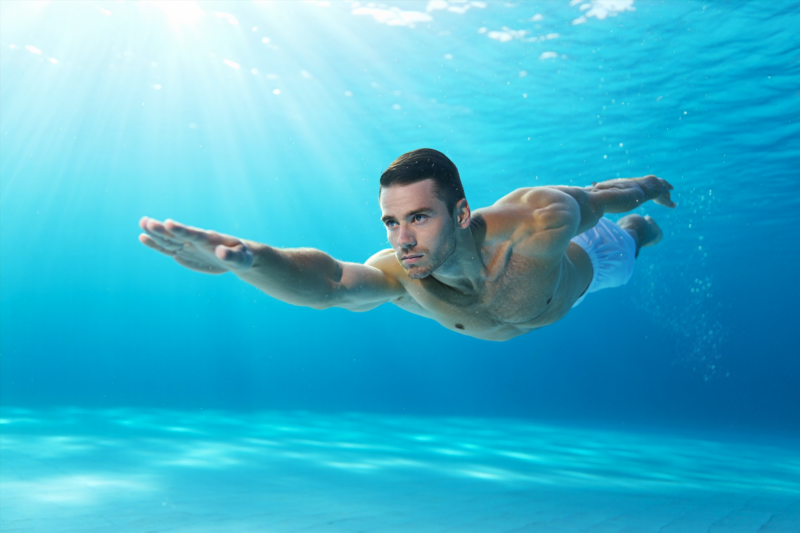
In the dynamic world of multisport disciplines—such as triathlon, open water swimming, and aquatic obstacle courses—every second counts. Mastering underwater skills like breath control and streamlining not only enhances performance but also conserves vital energy. At WaterPile Arena, we believe in integrating comprehensive aquatic techniques rooted in science and practiced through targeted training. Dive in today to harness these skills and elevate your aquatic game naturally.
Why Underwater Skills Matter for Multisport Athletes
The Impact of Breath Control and Streamlining on Performance
- Energy Conservation: Proper underwater techniques reduce drag and unnecessary exertion.
- Enhanced Speed: Efficient breathing and streamlined form propel athletes faster through water.
- Mental Confidence: Mastery over breath control alleviates anxiety during competitive swims.
The Science Behind Underwater Efficiency
Research shows that optimized underwater techniques can decrease drag by up to 20%, translating directly into faster swim times. Furthermore, breathing efficiency improves oxygen utilization, delaying fatigue and improving endurance.
Core Underwater Skills for Multisport Athletes
Breath Control Techniques
Diaphragmatic Breathing
- Focuses on engaging the diaphragm rather than shallow chest breathing.
- Improves oxygen intake and stabilizes buoyancy.
- Practice: Lie on your back, place one hand on your chest and another on your abdomen. Inhale deeply through your nose, ensuring your abdomen rises. Exhale slowly through pursed lips.
Rhythmic Breathing
- Synchronizes breathing patterns with stroke cycles.
- Reduces hyperventilation and maintains a steady oxygen supply.
- Practice: Inhale for three strokes, exhale for three strokes, gradually increasing or decreasing as comfort develops.
Streamlining and Body Positioning
Horizontal Alignment
- Keep your body flat and aligned with the water surface.
- Minimize lateral movements to reduce drag.
Proper Finning and Kicking
- Use efficient, compact kicks focusing on power transfer rather than large movements.
- Practice with fins (when appropriate) to develop a propulsion mindset.
Underwater Technique Optimization
| Technique | Key Focus | Benefits |
| Streamlined Dives | Extend arms, tighten core | Reduce water resistance, increase glide distance |
| Entry Precision | Hands entering cleanly, head aligned | Avoid unnecessary splash and resistance |
| Dynamic Underwater Kicks | Short, rapid flutter kicks | Maximize propulsion and oxygen efficiency |
Training Strategies to Improve Underwater Skills
Dryland Exercises for Underwater Performance
- Breath Holds (Apnea Training): Practice holding your breath progressively longer to increase lung capacity.
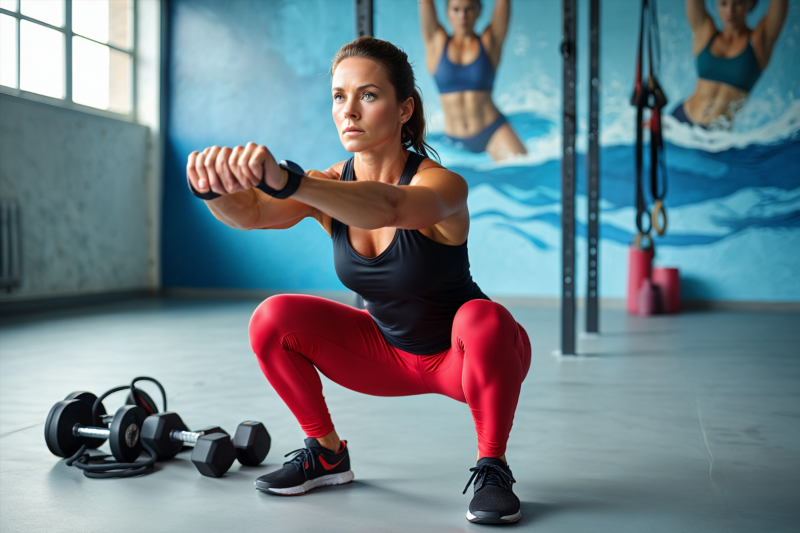
- Core Stability Work: Planks, Pilates, and dynamic stability exercises support streamlined positioning.
- Flexibility Drills: Focus on shoulder mobility and hip flexibility to facilitate smoother movement.
In-Water Drills
- Streamline Push-Offs: Emphasize perfect form during push-offs from the wall.
- Underwater Kick Sets: Short distances emphasizing speed and technique.
- Breath Control Sets: Incorporate breathing patterns into swim repeats to develop rhythm.
Mental Preparation for Underwater Mastery
- Visualize successful underwater techniques before races.
- Use mindfulness and breathing exercises to remain calm under pressure.
- Set progressive goals to gradually improve underwater breath holds and streamlining.
FAQs: Common Questions About Underwater Skills for Multisport Athletes
How often should I train underwater techniques?
Aim for 2–3 dedicated sessions per week, integrating dryland exercises and in-water drills for optimal results.
Can I improve underwater breath control without equipment?
Yes, through dryland breath-hold exercises and gradual increase of breath-holding duration during practice.
What is the typical progression for mastering streamlining?
Start with perfecting push-offs and entry form, then incorporate underwater kicks, gradually increasing distance and speed.
Are there safety considerations?
Absolutely. Never practice breath-holds alone, and floor your training with proper supervision and safety procedures.
Mastering underwater skills such as breath control and streamlining is essential for multisport athletes aiming to boost their aquatic efficiency naturally. By integrating targeted training, both on dry land and in the water, athletes can unlock faster times, conserve energy, and build confidence in open water environments. At WaterPile Arena, we’re committed to guiding you through this journey—dive in today and elevate your underwater capabilities to new heights.
Ready to transform your aquatic performance? Join our comprehensive training programs or explore expert coaching at WaterPile Arena—where multisport athletes go for real results.