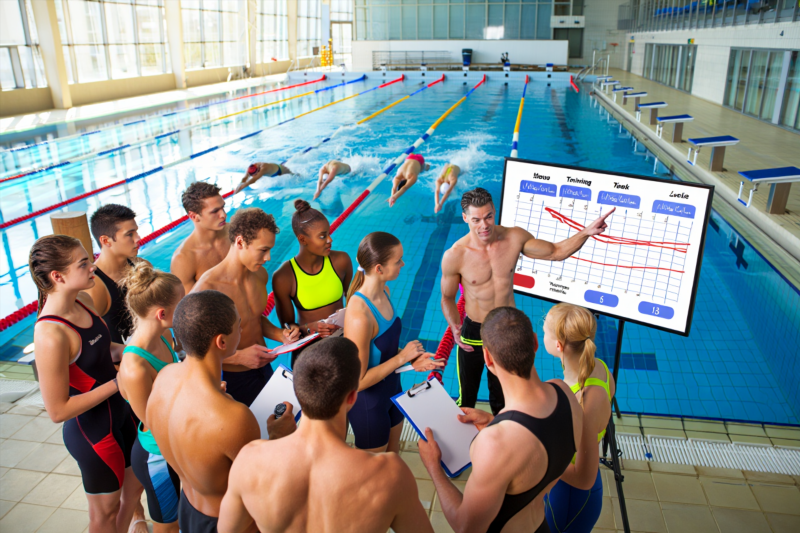
Tapering Strategies for Masters Athletes Optimize Race Readiness

For age-group and masters athletes, achieving peak performance often hinges on the subtle art of tapering. Unlike younger competitors, masters athletes require carefully crafted tapering strategies that not only maximize race readiness but also facilitate recovery and minimize injury risk. This practical two-week guide provides evidence-based techniques and actionable steps to help masters swimmers, divers, and water-based sport enthusiasts fine-tune their training ahead of key competitions.
Why Tapering Matters for Masters Athletes
Enhancing Performance and Recovery
Tapering is the process of reducing training volume while maintaining intensity, which allows the body to recover fully and sharpen performance. For older athletes, this period is critical:
- Reduces fatigue: Prevents overtraining, which can be more impactful due to age-related recovery changes.
- Promotes muscle repair: Facilitates optimal muscle function and strength retention.
- Improves mental focus: Builds confidence and reduces pre-race anxiety.
Addressing Age-Related Considerations
Masters athletes often face unique challenges such as slower recovery times, increased injury risk, and the need for customized nutrition and hydration strategies. A tailored taper helps address these factors by:
- Adjusting the volume and intensity cautiously.
- Prioritizing mobility and flexibility exercises.
- Incorporating additional rest and recovery modalities.
Practical Two-Week Tapering Plan for Masters Competitors
Week 1: Gradual Reduction and Strategic Focus
| Day | Focus Area | Key Activities | Goals |
| Monday | Technique & Skills | Light swimming, drills focusing on stroke mechanics | Maintain technique, reduce fatigue |
| Tuesday | Intensity Maintenance | Short, high-intensity sets (e.g., 4x50m at race pace) | Keep neuromuscular sharpness |
| Wednesday | Active Recovery | Easy swimming, cross-training, yoga | Promote blood flow and flexibility |
| Thursday | Volume Reduction | Moderate distance with reduced sets | Taper volume, keep intensity high |
| Friday | Rest or Very Light Session | Gentle stretching, visualization | Relaxation and mental preparedness |
| Saturday | Open Water or Race Simulation | Short race-pace efforts | Prepare for race environment |
| Sunday | Full Rest | Recovery, hydration, nutrition focus | Peak freshness for Week 2 |
Week 2: Fine-Tuning and Peak Preparation
| Day | Focus Area | Key Activities | Goals |
| Monday | Light Technique & Mental Prep | Easy swims, visualization exercises | Stay engaged, reduce nervousness |
| Tuesday | Short, High-Quality Sets | 3x50m at race pace | Maintain speed without fatigue |
| Wednesday | Active Rest | Mobility drills, stretching | Keep muscles pliable |
| Thursday | Very Light Activity | Gentle swimming or cross-training | Sharpen focus, conserve energy |
| Friday | Rest & Mental Strategies | Relaxation, mental imagery | Solidify confidence |
| Saturday | Race Day Preparation | Full rest, nutrition, mental focus | Maximize race readiness |
Key Components of a Successful Taper
Training Adjustments
- Reduced Volume: Drop total yardage by 40-60% in the final two weeks.
- Maintained Intensity: Keep the quality of workouts high with short, race-pace efforts.
- Focus on Technique: Use drills that reinforce movement efficiency and form.
Nutrition and Hydration
- Carbohydrate Loading: Slight increase in carbohydrate intake to maximize glycogen stores.
- Hydration: Prioritize hydration, especially in warmer climates or dry environments.
- Supplements: Consider omega-3s, antioxidants, and recovery aids, after consulting with a healthcare professional.
Recovery Modalities
- Massage and Foam Rolling: Aid muscle recovery and flexibility.
- Sleep Optimization: Aim for 8-9 hours per night to facilitate repair and mental clarity.
- Active Rest: Gentle stretching, yoga, and relaxation techniques to reduce stress.
Frequently Asked Questions
How early should I start tapering?
Ideally, a two-week taper is most effective for masters athletes, but some may benefit from a longer or shorter period based on their training history and recovery rates.
Can I do strength training during tapering?
Yes, but it should be light, low volume, and focus on maintaining muscular activation without causing fatigue.
What are signs I need to adjust my taper?
Persistent fatigue, lingering soreness, decreased motivation, or mental fog signal that you may need to extend or modify your tapering plan.
Final Tips for Masters Athletes
- Listen to your body; recovery is paramount.
- Prioritize quality over quantity in training.
- Focus on mental preparation and visualization.
- Consult with coaches and sports medicine professionals for personalized adjustments.
Effective tapering for masters athletes involves a strategic reduction in training volume paired with maintaining intensity, proper nutrition, and recovery focus. By following this two-week plan, older athletes can unlock their full competitive potential, ensuring they arrive at race day feeling both energized and confident. Remember, mastering the taper is as vital as the training itself—embrace it as a key ingredient in your success story.
Explore more about aquatic sports, stroke mechanics, and race strategies at WaterPile Arena—your comprehensive platform for water-based athlete development.