Synchro Diving Fundamentals to Perfect Movement Timing
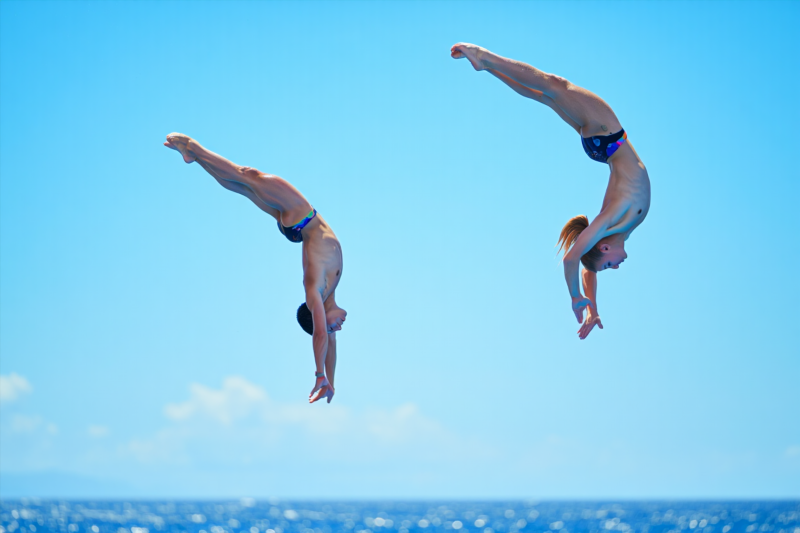
Synchro diving is a captivating sport that combines athletic precision, grace, and impeccable timing. Achieving harmony between divers is crucial for safety, performance, and aesthetic impact. Whether you’re a beginner or an experienced athlete, understanding the fundamentals of matching tempo, shaping dives, and executing entry cues can significantly enhance your synchro diving prowess. This comprehensive guide aims to unlock the secrets behind synchronization techniques, optimize dive timing, and master the art of smooth, safe underwater entries. Dive in now and elevate your synchro diving skills to new heights.
Understanding the Importance of Synchronization in Synchro Diving
Synchronization is the heartbeat of competitive synchronized diving. Perfect harmony between divers enhances visual appeal, scores higher marks, and ensures safety during complex routines. Key reasons for mastering synchronization include:
- Enhanced Aesthetic Symmetry: Seamless movements create a unified, polished performance.
- Increased Safety: Precise timing reduces the risk of collision and injury.
- Scoring Precision: Judges reward fluid, synchronized routines with higher marks.
- Efficiency in Movement: Proper timing conserves energy and improves dive execution.
Matching Tempo: The Rhythm of Perfect Dives
The Role of Tempo in Synchronization
Tempo refers to the rhythm or timing pace of a diver’s movements from takeoff to entry. Controlling tempo is essential for:
- Creating uniformity between partners
- Smoothly transitioning through different phases of the dive
- Ensuring precise execution of complex sequences
Techniques for Matching Tempo
- Breath and Heart Rate Control: Deep breathing exercises help maintain a steady rhythm.
- Counting and Cueing: Using count-based cues (e.g., “one-two-three”) to time each movement.
- Visual Synchronization Drills: Practice routines side-by-side focusing on maintaining consistent timing.
- Video Review: Analyze recordings to adjust tempo discrepancies.
Shaping Dives: Crafting the Ideal Dive Profile
Key Elements of Dive Shaping
- Preparation and Approach: Establishing a consistent movement pattern leading into the dive.
- Body Positioning: Maintaining optimal angles for rotation and entry.
- Extension and Tension: Achieving proper muscle engagement for controlled movements.
Shaping Techniques for Synchronization
| Technique | Purpose | Application |
| Pre-Set Positions | Establish consistent body shapes | Use mirror drills before dives |
| Guided Imagery | Visualize perfect shapes beforehand | Mental rehearsal improves muscle memory |
| Progressive Training | Break down complex shapes into manageable parts | Focus on synchronization at each phase |
Entry Cues: Precision for Smooth Underwater Techniques
Essential Entry Cues
Effective cues help divers align their entries precisely, minimizing splash and maintaining momentum. Key cues include:
- “Tuck and Extend”: Guides the timing of body position adjustments.
- “Brace and Reach”: Ensures the body is streamlined at entry.
- “Look for the Water”: Visual focus point that promotes clean, consistent entries.
Mastering Entry Cues for Safety and Aesthetics
- Timing Drills: Practice entries with countdowns or visual markers.
- Focus on Underwater Alignment: Use underwater video feedback to refine entry precision.
- Consistency through Repetition: Regularly simulate competition conditions during training.
Mastering Underwater Techniques and Dive Entry Precision
Underwater Technique Tips
- Controlled Descent: Maintain a tight streamlined position underwater.
- Breath Control: Prepare with proper exhalation before entry to reduce splash.
- Maintaining Alignment: Keep body straight to minimize turbulence.
Scoring Criteria for Dive Entry
- Minimal Splash: Judges favor clean, splashless entries.
- Entry Verticality: Perfect midline alignment is crucial.
- Transition Smoothness: Seamless movement from entry to underwater routine adds aesthetic value.
Mental Preparation for Synchronization Success
- Focus and Concentration: Stay present and avoid distractions.
- Visualization: Mentally rehearse routines emphasizing timing and cues.
- Relaxation Techniques: Use breathing exercises to reduce performance anxiety.
Mastering synchronization in scuba diving requires an intricate understanding of matching tempo, shaping dives effectively, and executing precise entry cues. By focusing on these fundamentals, divers can achieve safer, smoother underwater experiences and elevate their overall performance. Whether training solo or with a partner, implementing these techniques will foster greater confidence, consistency, and competitive edge. Ready to perfect your synchro diving movements? Explore our comprehensive guide now and take your diving skills to the next level.
FAQs
Q1: How can I improve my timing with a partner? *Practice with consistent drills, use count-based cues, and review video footage together to identify and correct discrepancies.*
Q2: What are some common mistakes regarding dive shape? *Poor body positioning, inconsistent extension, and inadequate pre-dive preparation can disrupt synchronization.*
Q3: How important is mental focus during synchronization routines? *Extremely important—mental focus ensures precise execution, reduces errors, and maintains confidence under pressure.*
Q4: Can visualization significantly enhance dive timing? *Yes, mental imagery helps reinforce muscle memory and prepares the diver for correct timing and movements.*
Unlock your full potential in synchronized diving by applying these fundamental techniques. With consistent practice and conscious attention to tempo, shape, and entry cues, you’ll master the art of perfect movement timing, ensuring safer and more impressive underwater performances.