Smart Wearables in Swimming 202526 Key Metrics for Performance
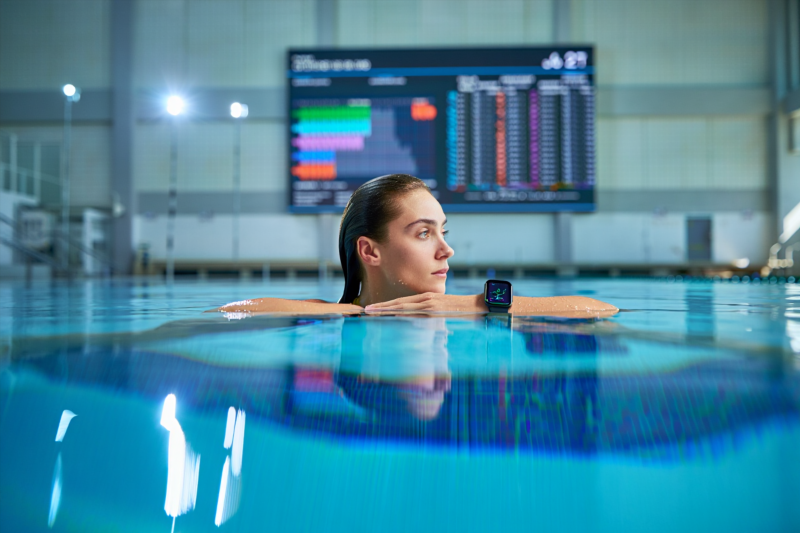
In the ever-evolving landscape of aquatic sports, technology plays a pivotal role in pushing athletes toward peak performance. Smart wearables have emerged as game changers, offering real-time insights into critical metrics that influence swimming success. Whether you’re a competitive swimmer, coach, or serious enthusiast, understanding these key data points can dramatically enhance your training, technique, and race strategy. This article delves into the essential smart wearable metrics in swimming for 2025/26, arming you with the knowledge to make data-driven decisions that elevate your aquatic performance.
Why Are Smart Wearables Essential in Modern Swimming?
The integration of smart wearable technology into swim training bridges the gap between intuition and evidence-based practice. These devices analyze intricate details such as stroke mechanics, breathing efficiency, and turn execution, providing immediate feedback that accelerates skill acquisition and reduces injury risk. As a result, swimmers can optimize their training loads, improve technique, and enhance race strategies, all while tracking progress over time.
Core Metrics Measured by Smart Wearables in Swimming 2025/26
1. Stroke Rate and Count
Why it matters: Stroke rate (strokes per minute) directly impacts speed and endurance. Maintaining optimal rhythm ensures efficiency and minimizes fatigue.
What to track:
- Average stroke rate during different phases of a race.
- Stroke count per length.
Benefit: Refining stroke rate balance enhances propulsion and energy conservation.
2. Total Distance and Speed
Why it matters: Monitoring total distance and split times helps evaluate endurance levels and pacing strategy.
What to track:
- Distance covered per session.
- Velocity in meters per second (m/s).
Benefit: Adjust training intensity and pacing for peak race performance.
3. Breathing Efficiency
Why it matters: Efficient breathing maximizes oxygen intake and delays fatigue, particularly crucial in longer events.
What to track:
- Breaths per lap or per 100 meters.
- Inhalation/exhalation patterns.
Benefit: Optimize breathing rhythm to improve stamina and reduce unnecessary energy expenditure.
4. Turn and Push-Off Metrics
Why it matters: Turns and push-offs significantly influence overall race times.
What to track:
- Turn times and angles.
- Push-off velocity and maximum acceleration.
Benefit: Refining turn technique can produce substantial time savings during races.
5. Underwater Techniques
Why it matters: Strong underwater phases provide a competitive edge, especially in sprints.
What to track:
- Underwater distance and speed.
- Streamlining and entry angle.
Benefit: Enhance underwater propulsion and transition efficiency.
6. Form and Posture Indicators
Why it matters: Maintaining proper body alignment reduces drag and conserves energy.
What to track:
- Body position metrics via inertial sensors.
- Symmetry between limbs.
Benefit: Immediate feedback leads to faster corrections and improved efficiency.
7. Mental Readiness and Fatigue Indicators
Why it matters: Mental focus and fatigue levels impact performance and recovery.
What to track:
- Heart rate variability (HRV).
- Stress and recovery markers.
Benefit: Design training and recovery sessions aligned with your physiological readiness.
How to Use These Metrics Effectively
Prioritize Your Goals
Identify whether your focus is on increasing speed, improving technique, or building endurance. Use the relevant metrics to target your specific areas for improvement.
Regular Monitoring and Feedback
Consistently analyze data to track progress over time. Immediate feedback allows for real-time corrections during training sessions.
Integrate Data into Training Plans
Collaborate with coaches or use intelligent algorithms to adjust training intensity, volume, and recovery based on your metrics.
Visualize Your Data
Utilize dashboards and graphs provided by wearable apps for clear insights and motivated goal setting.
Common Questions About Smart Wearables in Swimming
Are smart wearables accurate for competitive swimming?
Yes, modern devices utilize multi-sensor arrays, including accelerometers, gyroscopes, and waterproof heart rate monitors, providing highly accurate data suitable for serious training and competition analysis.
How do I choose the right wearable device?
Consider factors like durability, comfort, battery life, waterproof rating, and compatibility with analytics platforms. Popular options include Garmin Swim series, Apple Watch Ultra, and specialized swim trackers like Form Swim Goggles.
Can smart wearables replace traditional coaching?
While they are powerful supplements, wearables do not fully replace personalized coaching. They augment your training by offering detailed insights that are difficult to perceive manually.
How often should I analyze my metrics?
Ideally, daily or weekly, depending on training intensity. Focus on key performance indicators before tapering for competitions.
In the competitive realm of aquatic sports, leveraging smart wearable technology is no longer optional but essential. By understanding and monitoring the key metrics—from stroke efficiency and turn speed to underwater technique and mental readiness—you can unlock new levels of performance. Regularly integrating these insights into your training regimen ensures continuous improvement, sharper race strategies, and ultimately, podium success.
Take action today: Invest in the right wearable tech, familiarize yourself with these critical metrics, and transform data into your competitive advantage. The future of swimming performance belongs to the informed athlete.
Ready to elevate your swim? Explore the latest smart wearable devices tailored for swimmers and start tracking your journey to excellence now!