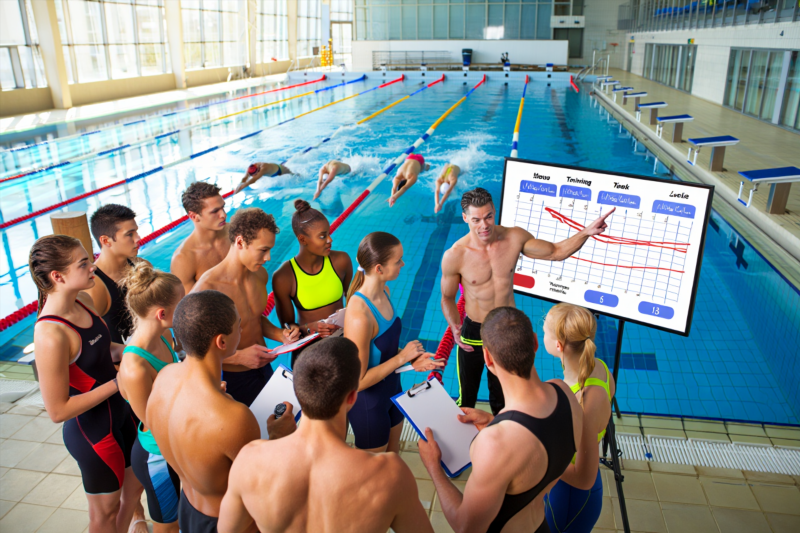
Relay Starts and Takeovers Improve Speed by Minimizing Risks

In aquatic sports, especially swimming relays and water-based competitions, the key to victory often lies in seamless transitions and quick, safe starts and takeovers. Relay starts and takeovers are crucial moments where timing, technique, and safety converge to influence overall performance. Properly executed, these exchanges can significantly reduce race delays and elevate pace, giving your team that competitive edge. This article explores strategies to minimize risks and maximize speed during relay exchanges, ensuring your team not only performs efficiently but also maintains safety standards.
Understanding Relay Starts and Takeovers
What Are Relay Starts and Takeovers?
- Relay Start: A launch from the starting block or water platform by a swimmer preparing to receive the incoming swimmer’s touch or to commence their leg of the relay.
- Takeover: The transition point where the incoming swimmer’s touch signals the next swimmer to start; the next swimmer’s start must be perfectly timed to avoid disqualification or unnecessary delay.
Why Are They Critical?
- They directly impact the team’s overall time.
- Poor execution can lead to disqualifications, delays, or lost opportunities.
- Proper technique combined with safety procedures enhances both speed and athlete well-being.
Strategies to Reduce Risks and Increase Speed
1. Precise Timing and Coordination
| Tip | Details |
| Use visual cues | Swimmers should watch for the incoming athlete’s touch or signals to initiate their start precisely. |
| Incorporate countdowns | Develop synchronized countdown routines to coordinate exchanges seamlessly. |
| Practice relay exchanges | Regular drills improve timing, reducing hesitation and miscue risk. |
2. Enhanced Technique for Relay Starts
- Forward Push Technique: Emphasize a strong, explosive push-off from the block or wall to reduce time delays.
- Streamlined Entry: Minimize splash and unnecessary movements to maintain momentum.
- Optimized Body Position: Keep the body tight during the transition for swift entry and rapid acceleration.
3. Safety Protocols for Smooth Takeovers
- Clear Communication: Establish verbal and visual signals between teammates to prevent premature starts.
- Rules Awareness: Educate swimmers on false starts and disqualification criteria.
- Consistent Warm-up and Practice: Regular dryland and water drills ensure familiarity with procedures, reducing errors during competition.
4. Utilizing Technology
- Timing Systems: Use touchpads and electronic timing to precisely measure exchanges.
- Video Analysis: Record and analyze relay exchanges for technical improvements.
- Wearables: Consider using underwater sensors or accelerometers to monitor start and takeover dynamics.
Implementing Efficient Procedures for Safety and Speed
Pre-Race Preparation
- Conduct technical drills emphasizing relay exchanges.
- Employ mental rehearsal strategies to ingrain correct timing.
- Confirm communication signals among team members.
During the Race
- Maintain focus and composure.
- Watch the incoming swimmer’s touch accurately.
- Initiate the next start promptly once conditions are optimal.
Post-Race Analysis
- Review video footage to identify improvement areas.
- Hold team debriefings focusing on safety and efficiency.
Addressing Common Questions
How can I prevent false starts during relay exchanges?
- Focus on synchronized timing with well-rehearsed signals.
- Swimmers should avoid rushing and instead trust their practiced cues.
- Employ countdowns or visual markers to aid precise timing.
What drills can help improve relay exchange speed?
- Simulated relay starts with timed practices.
- Reaction time drills involving quick response to visual or auditory cues.
- Dryland exercises focusing on explosive power and body control.
How do I balance speed with safety?
- Never sacrifice technique or safety protocols for speed.
- Emphasize proper form in all drills.
- Ensure clear communication and adherence to competition rules.
Mastering relay starts and takeovers involves a delicate balance of speed, precision, and safety. By implementing meticulous techniques, fostering team coordination, and leveraging modern technology, athletes can significantly reduce risks while enhancing overall race pace. Embrace these strategies to turn your relay exchanges into powerful competitive advantages in aquatics sports. Remember, excellence in execution is built on consistent practice, clear communication, and unwavering focus on safety.
Call to Action
Are you ready to elevate your relay performance? Start implementing these safety measures and efficiency strategies today. Practice with purpose, utilize technology, and foster a team environment that prioritizes both speed and safety. To learn more about advanced training techniques and mental preparation for relay success, subscribe to WaterPile Arena’s newsletter or schedule a consultation with our aquatic sports experts. Your next victory depends on it!