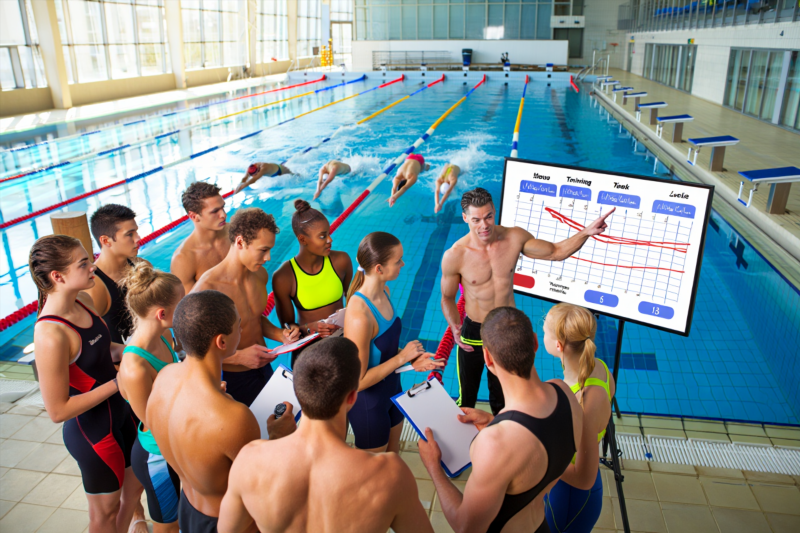
Open Water Skills Mastering Drafting Navigation and Safety Techniques
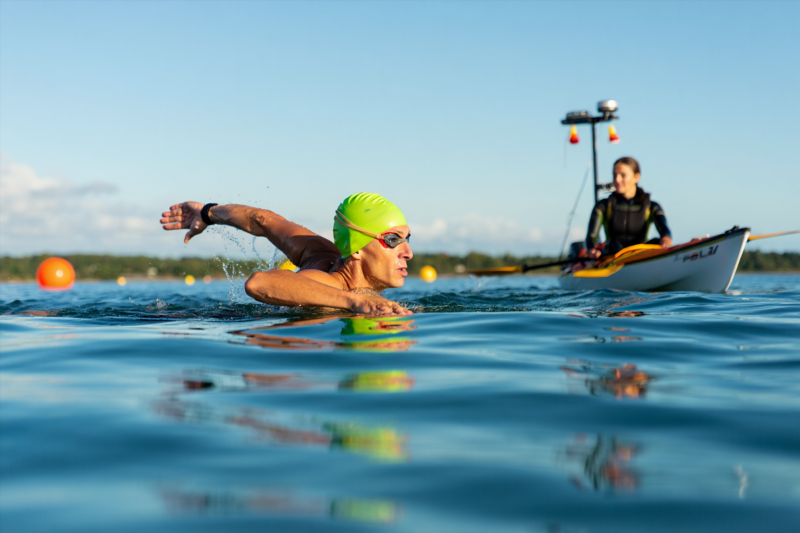
Open water swimming offers an exhilarating experience — from the vastness of the ocean to lakes and rivers, it challenges athletes to adapt their skills beyond the controlled environment of pools. Success in open water depends on mastering vital techniques such as drafting, sighting, and navigation, which not only enhance performance but also ensure safety amidst unpredictable conditions. At WaterPile Arena, we’re dedicated to developing comprehensive aquatic sports skills that empower swimmers to conquer open water with confidence.
*Are you ready to elevate your open water game? Let’s dive into the core skills you need to master.*
Why Open Water Skills Matter
Unlike pool swimming, open water introduces variables such as currents, waves, and limited visibility. These factors demand heightened awareness and strategic techniques that help swimmers conserve energy, stay oriented, and avoid hazards. Proficiency in drafting, sighting, and navigation transforms chaos into controlled movement, ultimately boosting safety and performance.
Key Benefits of Mastering Open Water Skills
- Enhanced Safety: Reducing the risks of disorientation, fatigue, and near-drownings.
- Improved Efficiency: Conserving energy through intelligent drafting and streamlined navigation.
- Increased Confidence: Developing mental clarity amid unpredictable conditions.
- Competitive Edge: Gaining strategic advantages in open water races.
Drafting: Save Energy and Increase Speed
Drafting involves swimming closely behind or alongside another swimmer or vessel to reduce water resistance. This technique can significantly conserve energy, especially during long-distance races or open water swims.
How to Effectively Draft
- Positioning: Stay just behind and slightly to the side of a lead swimmer, typically about 12-18 inches away.
- Maintain Distance: Avoid being too close, which can cause turbulence and slow you down; too far, and the benefits diminish.
- Monitor: Keep an eye on the leader’s movements to anticipate turns, obstacles, and changes in pace.
Tips for Successful Drafting
- Practice keeping a steady, consistent stroke while maintaining your position.
- Use drafting during group swims or from boats for added safety.
- Be mindful of swimmer fatigue to avoid accidental collisions or dislodgement.
Sightings: Navigating with Precision
Sighting is the technique of lifting your head momentarily during freestyle or other strokes to keep your course aligned. It’s especially critical in open water where visual references are sparse.
How to Master Sightings
- Timing: Incorporate a quick head lift every 8 to 12 strokes, depending on visibility and conditions.
- Technique: Keep your head low and lift only enough to see landmarks like buoys, shoreline, or boats.
- Focus: Use landmarks to establish a consistent heading, avoiding zig-zagging or drifting off-course.
Sightings Best Practices
- Practice sighting drills in the pool to develop seamless head lifts.
- Use visual cues like bright buoys or shoreline features.
- Combine sighting with breathing to maintain rhythm and propulsion.
Navigating Chaos: Staying Calm in Unpredictable Conditions
Open water environments are inherently unpredictable. Waves, currents, and low visibility can create a chaotic swimming experience. The key to navigation success lies in:
- Developing Situational Awareness: Constantly assess your surroundings.
- Using Fixation Points: Rely on fixed landmarks for orientation.
- Adapting Strategies: Adjust your route or pace as conditions change.
Essential Safety Skills
- Staying Calm: Panicking wastes energy and hampers decision-making.
- Implementing a Safety Protocol: Such as swimming with a buddy, use of safety kayaks, or wetsuits.
- Knowing Your Limits: Recognize fatigue signs and exit strategies.
Equipment and Preparation
| Equipment | Purpose | Tips |
| Bright Swim Cap | Visibility | Wear at all times |
| GPS or Waterproof Map | Navigation | Use for unfamiliar routes |
| Flare or Signal Device | Emergency | Carry in case of trouble |
Navigational Safety Checklist
- Pre-swam mental map of your route.
- Confirm landmarks and environmental conditions before starting.
- Communicate your plan with safety personnel or buddies.
How do I improve my drafting in open water?
Practice swimming alongside others in controlled environments, focus on maintaining a close but non-intrusive distance, and analyze your position relative to others.
What are the best landmarks for sighting?
Use bright, distinct features such as buoys, shoreline points, or man-made structures. Practice identifying these from different angles and distances.
How can I stay safe during an open water swim in rough conditions?
Swim with a group or safety personnel, wear appropriate gear, monitor weather forecasts, and keep your training suited to the environment.
Mastering open water skills like drafting, sighting, and navigating chaos transforms unpredictable water environments into manageable challenges. These techniques enhance your safety, improve efficiency, and deepen your connection with nature’s aquatic landscapes. At WaterPile Arena, we believe that comprehensive training and strategic mastery are the keys to unlocking your full potential in open water adventures.
Ready to perfect your open water skills? Join our training programs or access expert resources today — your next swim awaits!
Stay connected with WaterPile Arena for expert tips, training modules, and community support in aquatic sports mastery.
*Do you have specific questions about open water techniques? Reach out to our experts or explore our comprehensive guides designed for swimmers of all levels.*