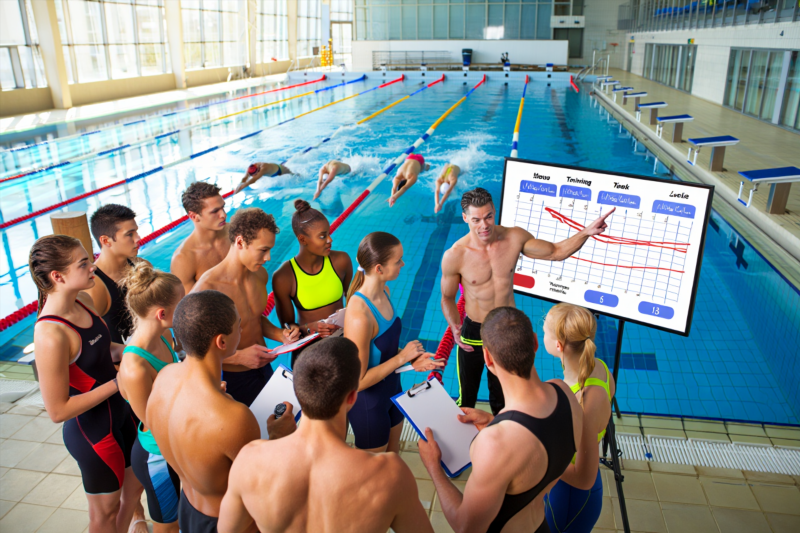
Nutrition Tips to Prevent Digestive Issues During Long Swim Blocks
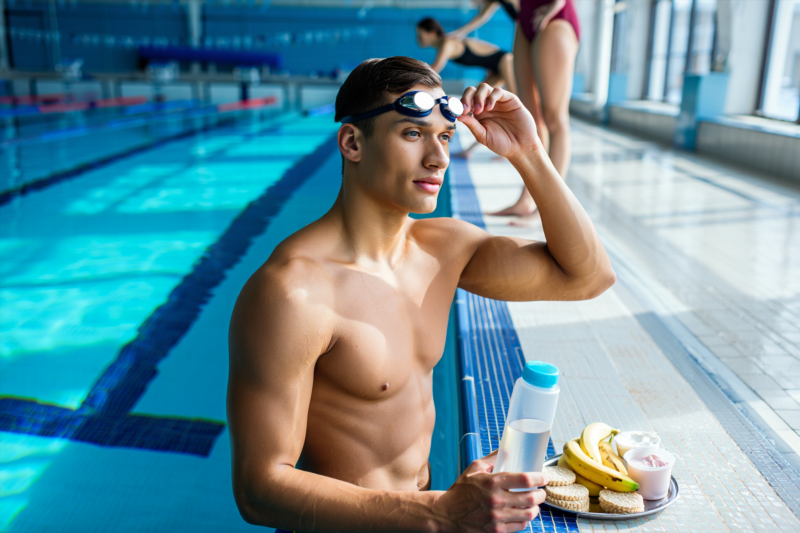
For competitive swimmers engaging in high-volume swim blocks, maintaining optimal nutrition is crucial to performance and recovery. Extended training sessions demand sustained energy, but improper fueling can lead to digestive discomfort, fatigue, and decreased effectiveness in the pool. At WaterPile Arena, we understand that achieving peak performance involves more than just perfecting stroke mechanics or underwater techniques — nutrition plays a vital role in ensuring you’re energized and comfortable throughout long swim sessions. This guide provides expert tips on how to optimize your fueling strategies to prevent digestive issues and keep you at the top of your game.
Understanding the Challenges of High-Volume Swim Training
Long training blocks—often ranging from several hours to multiple sessions per day—place significant demands on your body’s digestive system. Common issues include:
- Bloating
- Cramping
- Gastrointestinal discomfort
- Decreased energy absorption
These problems can hinder training quality, cause discomfort, and even increase injury risk. Therefore, a tailored nutrition plan that considers timing, food choice, and hydration strategy is essential to mitigating these issues.
Essential Nutrition Principles for Extended Swim Sessions
1. Prioritize Easily Digestible Carbohydrates
Carbohydrates are the primary fuel source for endurance activities like prolonged swimming. Focus on:
- Low-fiber, simple carbs (e.g., white bread, bananas, rice)
- Small, frequent carbohydrate intake to avoid overwhelming your digestive system
- Timing your carbohydrate ingestion 30–60 minutes pre-training for quick energy release
2. Incorporate Moderate Protein and Healthy Fats
While carbs are paramount during the session, including a moderate amount of easily digestible protein and healthy fats can aid recovery and sustain energy:
- Use foods like yogurt, lean poultry, or nut butters in small amounts
- Avoid high-fat or high-fiber foods immediately before swimming to prevent sluggishness and discomfort
3. Hydration Strategies
Proper hydration minimizes cramping and promotes optimal digestion:
- Drink small amounts of water regularly throughout the day
- Consider electrolyte drinks during long sessions to replenish minerals lost through sweat
- Avoid excessive caffeine or sugary beverages, which can cause gastrointestinal upset
Practical Tips to Prevent Digestive Discomfort
1. Timing Your Nutrition Intake
- Pre-Workout: Consume a light, carb-rich snack 30–60 minutes before swimming
- During Workout: For sessions exceeding 90 minutes, ingest easily digestible carbs every 20–30 minutes
- Post-Workout: Prioritize replenishing glycogen with carbohydrate-rich foods within 30 minutes post-training, combined with moderate protein
2. Choose Your Foods Wisely
Avoid foods that are known to cause bloating or indigestion:
| Foods to Avoid Before Swimming | Better Alternatives |
| High-fat foods (fried, heavy meats) | Low-fat yogurt, fruit, plain rice |
| High-fiber foods (beans, rough vegetables) | Bananas, white bread, peeled fruit |
| Spicy foods | Mild, bland options |
3. Test and Personalize Your Strategy
Every athlete’s digestive system responds differently. Therefore:
- Experiment with different foods and timing during training
- Stick with what works best for you and avoid trying new foods on race day
- Keep an active food log to identify and eliminate triggers
Additional Tips from Nutrition Experts
- Use liquid nutrition options, such as energy gels or drinks, which are easier on the stomach during intense sessions
- Avoid overhydration, which can cause hyponatremia or uncomfortable bloating
- Maintain consistent meal schedules to regulate your digestive system
Frequently Asked Questions
How can I prevent stomach cramps during long swims?
Ensure proper hydration, avoid high-fat and high-fiber foods before swimming, and incorporate electrolyte-rich drinks. gentle stretching and proper warm-up also help reduce cramping.
What are the best snacks for fueling during extended swim sessions?
Opt for easily digestible carbs like energy gels, bananas, or small portions of rice cakes with honey. Avoid heavy or greasy foods that can upset your stomach.
When should I stop eating before a swim?
Aim to finish large meals at least 2–3 hours before training. For lighter snacks, 30–60 minutes before is sufficient.
Optimizing your nutrition during high-volume swim blocks requires strategic planning and personalized experimentation. By focusing on easily digestible carbohydrates, maintaining hydration, and timing your intake wisely, you can prevent digestive issues, sustain energy levels, and maximize your training effectiveness. At WaterPile Arena, we’re committed to helping swimmers unlock their full potential — start applying these expert tips today and experience smoother, more comfortable training sessions.
Feel free to explore our full range of underwater techniques, race strategies, and dryland strength training guides to complement your nutritional efforts. Stay energized, stay comfortable, and swim smarter!