Injury Prevention Tips for Young Swimmers Protecting Growth Plates
Young swimmers are often at the peak of their growth and development, which makes injury prevention especially critical. Growth plates—also known as epiphyseal plates—are areas of developing tissue near the ends of long bones in children and adolescents. These plates are vulnerable to injury, which can have long-lasting effects on a young athlete’s growth and overall health.
At WaterPile Arena, we emphasize not only competitive excellence but also safety and long-term well-being. Protecting growth plates through targeted injury prevention strategies ensures that young swimmers can enjoy their sport without risking serious injuries that could hinder their development. This guide offers essential tips for coaches, parents, and young athletes to safeguard growth plates and promote healthy aquatic pursuits.
Understanding Growth Plates in Young Swimmers
What Are Growth Plates?
Growth plates are areas of cartilage located near the ends of long bones such as the arms, legs, and shoulders. They allow bones to grow in length during childhood and adolescence. Once growth is complete, these plates harden into solid bone.
Why Are Growth Plates Vulnerable?
Due to their softness, growth plates are more susceptible to injuries such as fractures or overuse damage. Repetitive high-impact motions, improper training techniques, or trauma can lead to injuries that disrupt normal growth trajectories.
Key Injury Prevention Strategies for Protecting Growth Plates
1. Proper Technique and Form During Training
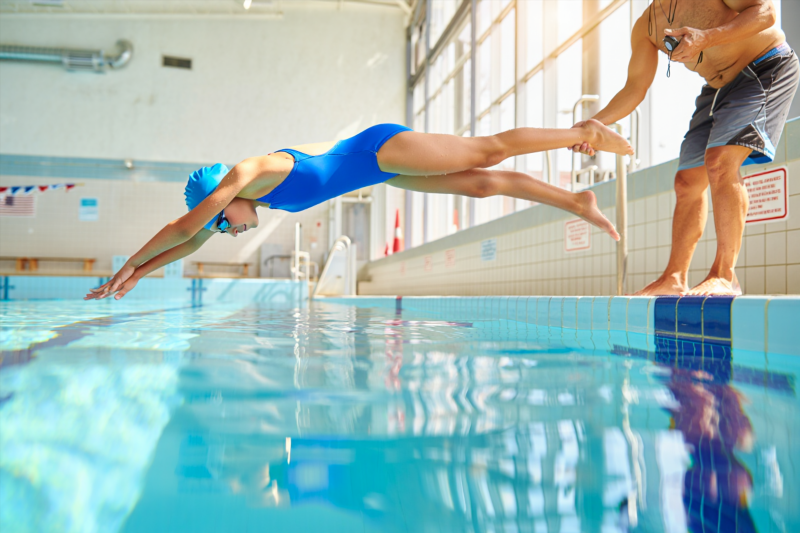
Incorrect stroke mechanics and improper diving or push-off techniques are common causes of growth plate injuries.
- Focus on Technique: Emphasize correct strokes, turns, and diving entry to minimize undue stress.
- Supervised Practice: Always train under qualified coaching to ensure proper form.
2. Gradual Training Progression
Sudden increases in intensity, duration, or frequency can overwhelm developing bones.
- Follow a Periodized Program: Gradually increase workload to allow tissues to adapt.
- Rest and Recovery: Incorporate adequate rest days to prevent overuse injuries.
3. Adequate Warm-Ups and Flexibility Exercises
Warming up muscles and joints prepares the body for physical activity and reduces injury risks.
- Dynamic Warm-Ups: Include light swimming, arm swings, leg swings, and mobility drills.
- Stretching: Focus on shoulders, hips, hamstrings, and lower back.
4. Appropriate Equipment and Environment
Using the right gear and ensuring a safe training environment are crucial.
- Proper Fitting Gear: Use well-fitted goggles, caps, and swimsuits.
- Safe Pool Conditions: Ensure the pool has proper depth markings and is well-maintained.
5. Recognize and Address Overuse Symptoms Early
Early intervention can prevent minor discomfort from becoming serious injuries.
- Monitor for Pain: Any persistent pain around growth plates warrants professional evaluation.
- Prompt Medical Attention: Seek specialist assessment if injury is suspected.
Additional Tips for Parents and Coaches
| Tip | Explanation |
| Educate about Growth Plate Vulnerability | Understanding risks helps in prevention efforts. |
| Foster Open Communication | Encourage young athletes to report discomfort immediately. |
| Schedule Regular Medical Check-Ups | Early detection of growth-related issues is vital. |
| Emphasize Injury Prevention Over Competition | Prioritize health to ensure long-term athletic participation. |
Frequently Asked Questions (FAQs)
How can I tell if my child has a growth plate injury?
Symptoms may include pain, swelling, tenderness, or decreased range of motion near joints. If any of these occur, seek prompt medical evaluation to diagnose and treat the injury effectively.
Can growth plate injuries heal completely?
Most minor to moderate growth plate injuries heal well with appropriate treatment. Severe injuries may require immobilization or even surgery, with careful follow-up to ensure proper growth.
How can coaches incorporate injury prevention into training?
Implement structured warm-ups, monitor training loads, enforce correct technique, and promote communication. Educate young athletes about injury signs and encourage reporting discomfort.
Protecting the growth plates of young swimmers is essential for their long-term health and athletic development. By adopting injury prevention strategies such as proper technique, gradual training progression, adequate warm-up routines, and early symptom recognition, coaches and parents can significantly reduce the risk of growth plate injuries.
At WaterPile Arena, our mission extends beyond competition—we aim to nurture safe, healthy, and confident aquatic athletes. Invest in injury prevention today to ensure your young swimmer’s healthy growth and vibrant future in water sports.
Call to Action
Ready to prioritize safety and healthy development in your young athlete? Contact our expert coaching team or visit WaterPile Arena for personalized training plans that focus on injury prevention and peak performance. Your child’s safe aquatic journey starts here!
*This article is designed to provide comprehensive injury prevention tips for young swimmers, emphasizing the importance of safeguarding growth plates for ongoing health and athletic progression.*