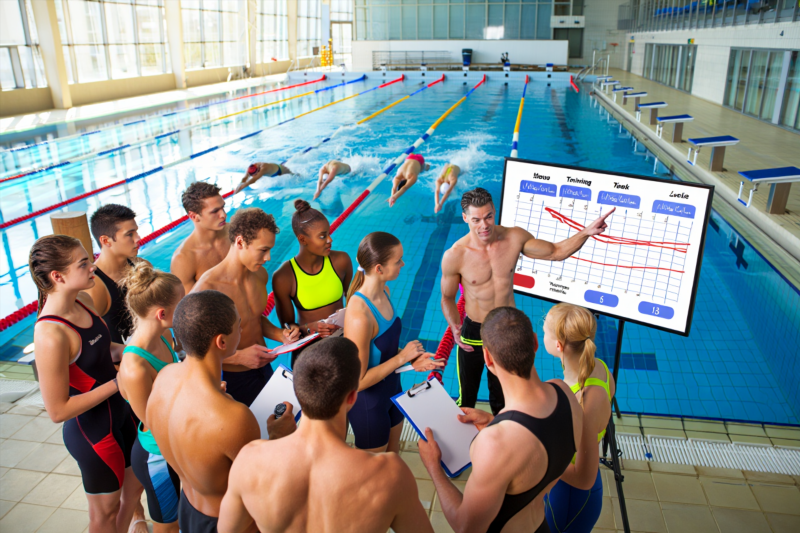
Improve Your Swim Speed by Balancing Stroke Rate and Efficiency
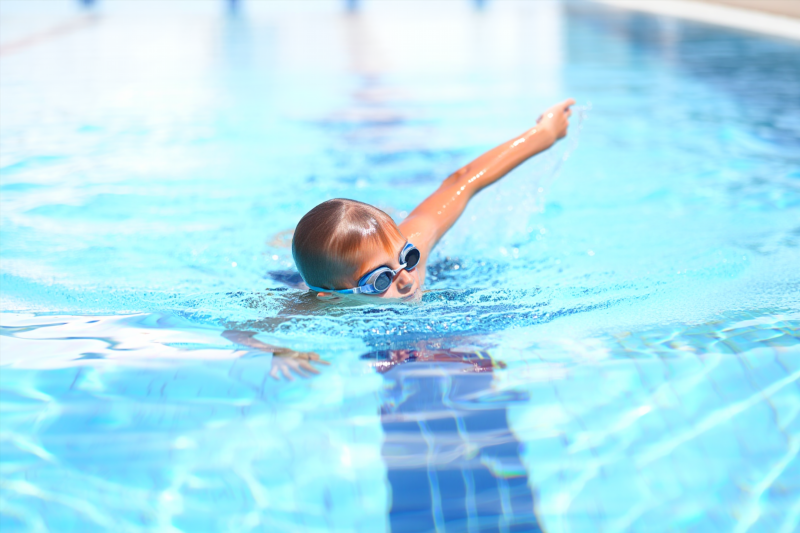
In the world of competitive swimming, achieving optimal performance isn’t solely about swimming faster—it’s about swimming smarter. One of the most effective ways to enhance your speed and endurance is by carefully balancing stroke rate and distance per stroke (DPS). These two critical factors form the foundation of efficient swimming technique, directly impacting your overall race performance. Whether you’re an aspiring novice or a seasoned athlete, understanding how to fine-tune these elements can revolutionize your approach in the water.
Understanding Stroke Rate and Distance Per Stroke
Before diving into strategies for improvement, let’s clarify these two key concepts:
What is Stroke Rate?
Stroke rate refers to the number of stroke cycles you complete per minute. Think of it as the tempo or cadence of your swimming. A higher stroke rate often results in faster times but can lead to quicker fatigue if not balanced with efficiency.
What is Distance Per Stroke (DPS)?
Distance per stroke measures how far you travel with each stroke—essentially, your stroke length. A longer DPS indicates a more efficient stroke, allowing you to cover more ground with fewer strokes.
| Aspect | Definition | Impact on Performance |
| Stroke Rate | Strokes per minute | Faster tempo can increase speed but may lead to fatigue |
| Distance Per Stroke | Distance covered per stroke | Better efficiency, reduced energy cost and fatigue |
Why Balance Stroke Rate and DPS?
Optimizing swimming efficiency involves finding the perfect balance between stroke rate and DPS. Due to their interconnected nature, focusing on only one can sometimes hinder overall performance.
- High Stroke Rate + Low DPS: Quick strokes may lead to faster fatigue and poorer technique.
- Low Stroke Rate + High DPS: While conserving energy, a very slow stroke rate might not capitalize on potential speed.
Achieving an optimal balance ensures you maximize propulsion while minimizing energy expenditure, leading to improved race times and reduced fatigue.
Tips to Improve Your Swimming Efficiency
1. Focus on Technique and Form
Proper technique is the cornerstone of improving both stroke rate and DPS. Pay attention to:
- Streamlined Body Position: Keeps drag minimal.
- Efficient Pulling and Kicking: Maximizes propulsion.
- Breathing Technique: Enables maintaining high stroke rate without sacrificing oxygen intake.
2. Incorporate Stroke Rate Drills
Using tools like a pace clock or metronome, aim to:
- Maintain a consistent stroke rate during drills.
- Gradually increase your cadence without sacrificing form.
- Find your optimal stroke rate that balances speed and sustainability.
3. Enhance Distance Per Stroke
To boost DPS:
- Focus on full extension during each stroke.
- Engage your core to stabilize your body for longer, more powerful strokes.
- Practice pulling drills that emphasize powerful, elongated strokes.
4. Use Video Analysis
Recording your swimming allows for self-assessment:
- Identify flaws in your stroke that reduce efficiency.
- Track changes in stroke length and rate over time.
- Receive coaching feedback to refine techniques.
5. Integrate Dryland Strength Training
Strengthening muscles involved in swimming improves propulsion:
- Core exercises for stability.
- Shoulder and back workouts for pulling power.
- Flexibility training to increase stroke length.
6. Monitor and Adjust During Practice
Use a triad approach:
| Technique | Implementation | Result |
| Measure | Track stroke rate and distance per stroke | Data-driven adjustments |
| Adjust | Modify based on fatigue and race pace | Balance speed and efficiency |
| Repeat | Consistency during training | Long-term improvement |
Common Questions About Improving Swim Efficiency
How do I find my ideal stroke rate?
Start with a comfortable cadence during steady-state practice, then gradually increase until you reach a pace where your technique remains strong without undue fatigue. Typically, competitive swimmers operate around 60-80 strokes per 50 meters.
Can I have a high stroke rate and a long DPS at the same time?
Yes, this is the ideal scenario. Focus on refining your technique so that increasing cadence doesn’t compromise stroke length. Training drills that combine speed and efficiency can help achieve this balance.
How does mental focus impact stroke rate and DPS?
Concentrating on smooth, deliberate movements rather than rushing can help maintain proper technique at higher speeds. Visualization and mindfulness techniques can also keep you focused during training and races.
Putting It All Together: Your Path to Faster Swimming
Achieving a harmonious balance between stroke rate and distance per stroke enhances overall swimming efficiency, leading to faster times and less fatigue. Incorporate technical drills, strength training, and mindful pacing into your training regimen.
By continuously analyzing your performance and adjusting your approach, you’ll develop the agility and endurance necessary to excel in aquatic sports.
Ready to Transform Your Swimming Technique?
Start today with simple drills focusing on stroke efficiency. Record your progress and set incremental goals to master the balance between stroke rate and DPS. Remember—better technique is the fastest route to victory. Dive in, practice diligently, and watch your swim times improve!
Would you like personalized coaching or training plans tailored to your swimming goals? Contact WaterPile Arena now and take the next step towards swimming mastery!