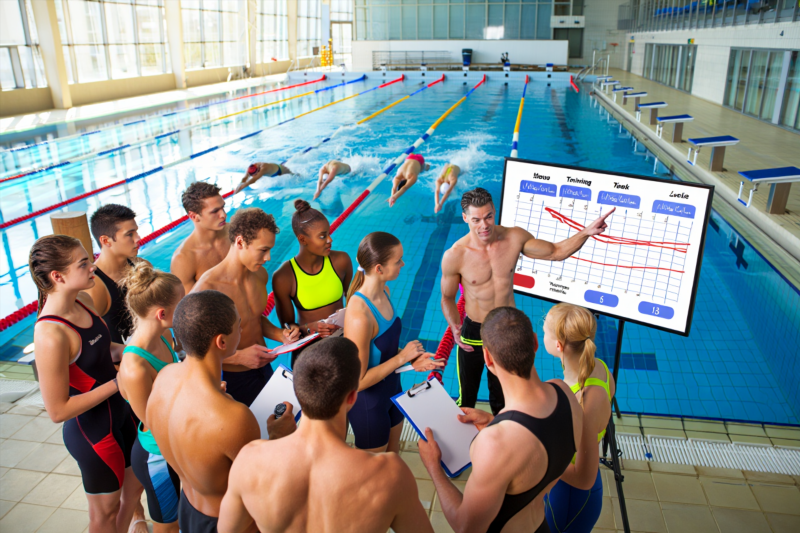
Entry Precision Guide to Minimize Splash Through Technique
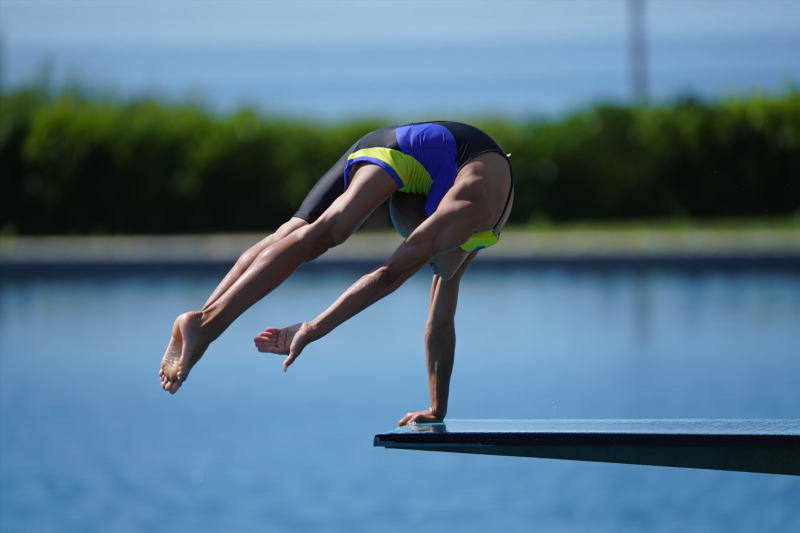
Unlock the Secrets to Seamless Entries in Aquatic Sports
At WaterPile Arena, we understand that flawless entry can make the difference between a good race and a winning performance. Whether you’re diving into the pool for competitive swimming, synchronized underwater games, or diving events, minimizing splash and achieving perfect entry is essential. Our comprehensive guide dives deep into expert strategies focused on optimizing entry accuracy through precise angle adjustments and controlling entry tightness. Discover proven techniques that can help you improve your form, reduce splash, and enhance your overall performance.
Why Is Entry Precision Crucial in Aquatic Sports?
Achieving a clean entry is fundamental for several reasons:
- Hydrodynamic Efficiency: Less splash reduces water resistance, allowing for smoother, faster movement.
- Race Start Optimization: Precise entry sets the tone for your entire race or dive, maintaining momentum.
- Score Scores and Judging: In diving, clean entries with minimal splash reflect technical mastery and can significantly impact scoring.
- Energy Conservation: Minimizing splash helps conserve energy by reducing unnecessary water displacement and drag.
Key Elements of a Perfect Entry: Angle and Tightness
To master your entries, focus on two primary technical aspects:
1. Entry Angle: The Path to Seamless Entry
An optimal entry angle ensures your body transitions smoothly from air to water with minimal splash. Too steep or shallow angles can cause excessive splashing or angular entry, losing momentum.
Techniques to Adjust Entry Angle:
- Pre-Dive Positioning: Start with a strong, streamlined posture, with your head tucked slightly in line with your spine.
- Controlled Tumble or Spin: If rotating into the entry, execute precise, controlled spins to align your body with the water’s surface.
- Visual Focus: Aim for a fixed point on the water surface while approaching, helping with body alignment.
Ideal angle: Between 0 and 10 degrees relative to the water surface for most competitive dives.
2. Entry Tightness: Controlling Your Body for a Clean Splash
Entry tightness refers to how closely your body remains aligned and compressed upon hitting the water, reducing unnecessary movement and splash.
Techniques for Enhancing Entry Tightness:
- Body Compression: Engage core muscles to keep your limbs close to your torso during entry.
- Streamlined Position: Maintain full extension of arms and legs to reduce drag.
- Controlled Entry: Avoid abrupt movements; instead, use slow, controlled motions during entry for precise positioning.
Proven Strategies to Improve Entry Precision
Below are expert-recommended strategies to minimize splash effectively:
| Strategy | Description | Benefits |
| Adjust Entry Angle | Use cues like visual focus and body alignment to refine angle | Reduced splash, faster underwater transition |
| Practice Tuck and Roll | Fine-tune rotational techniques to control spin and entry alignment | Consistent, clean entries with minimal splash |
| Enhance Core Strength | Focus on dryland strength training, such as planks and core exercises | Better control and tighter entry position |
| Use Markers and Drills | Set waterline markers or use mirrors to assess and correct entry angle | Improved visual feedback and muscle memory |
| Focus on Breathing and Relaxation | Calm, controlled breathing reduces tension impacting entry tightness | Smoother, more precise entries |
Step-by-Step Approach to Perfect Your Entry Technique
- Warm-up and Stretch: Prepare your muscles to maintain control during entry.
- Visualize Your Entry: Imagine your ideal entry form and angle.
- Practice Controlled Tumbles or Forward Rolls: Focus on body rotation with minimal splash.
- Align Your Body During Approach: Maintain a tight core and streamlined position.
- Execute with Precision: Enter the water with a controlled, tight body position at the correct angle.
- Review and Correct: Use video feedback or coach observations to refine your technique.
Common Questions About Entry Precision
How important is the entry angle in competitive diving?
The right entry angle is crucial for reducing splash and improving underwater transition. Usually, a shallow angle (around 0-10 degrees) provides the best balance between speed and splash minimization.
Can I adjust my entry tightness on the fly?
Yes. Focus on core engagement and body control during your approach. Dryland strength training enhances muscle memory, making it easier to maintain tightness during actual dives.
Is it better to focus on angle or tightness?
Both are equally important. Proper angle ensures a smooth path into the water, while tightness controls splash and stabilizes your entry. Practice both in tandem for optimal results.
Final Thoughts: Elevate Your Water Entry with Expert Precision
Mastering the art of minimizing splash through angle adjustment and tightness techniques will significantly enhance your aquatic performance. Focus on controlled, deliberate movements, strengthen your core, and utilize visual feedback to refine your technique. Remember, consistency and attention to detail are key.
Ready to improve your aquatic entries? Explore our specialized dryland training modules, consult with expert coaches, and incorporate these proven strategies into your practice routines. Your seamless, splash-free entries await!
Take Action Now
Join WaterPile Arena’s training community today to unlock advanced techniques in underwater skills, race strategies, and mental preparation. Dive deeper into the art of perfect water entries and achieve your performance goals!
*Transform your approach—dive with precision, minimize splash, and surge ahead!*