Dolphin Kick Progression Tips to Maximize Power and Reduce Fatigue
In the realm of aquatic sports, the underwater dolphin kick stands out as a crucial skill that can significantly influence race outcomes in swimming, diving, and water-based competitions. At WaterPile Arena, we understand that mastering this technique can propel your performance to the next level—delivering more propulsion, improving efficiency, and reducing leg fatigue. This comprehensive guide will explore expert progression tips designed to boost your dolphin kick power while ensuring endurance and longevity in the water.
Understanding the Importance of Effective Dolphin Kicks
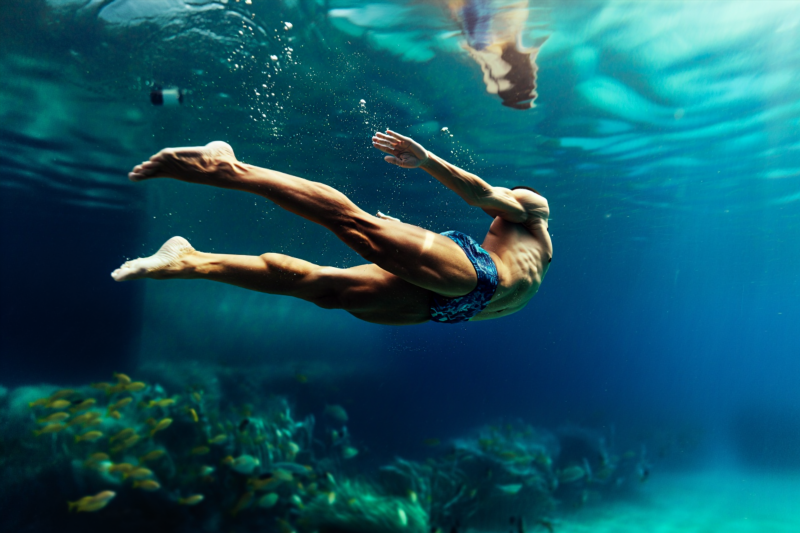
The dolphin kick is a dynamic, wave-like movement originating from the hips, pivotal for underwater phases of races, turns, and dives. It offers:
- Enhanced Propulsive Force: Maximizes underwater speed with less energy expenditure.
- Efficiency: Promotes a streamlined glide, reducing drag.
- Fatigue Reduction: Proper technique minimizes unnecessary muscle strain, particularly in the legs.
But without proper progression and training, fatigue can impair your kick’s effectiveness. Let’s delve into how to optimize this skill.
Step-by-Step Progression for Building Underwater Dolphin Kick Power
1. Develop a Strong Foundation: Focus on Body Position and Core Stability
A stable core ensures the power generated from your hips is efficiently transferred through your legs. Tips:
- Practice body alignment in streamline position.
- Incorporate core exercises like planks and flutter kicks on dry land to build stability.
- Maintain a tight, streamlined posture to reduce drag.
2. Master the Basic Dolphin Kick Mechanics
- Start with small, controlled kicks focusing on hip movement, not just knee bend.
- Keep the feet pointed and ankles flexible to maximize propulsion.
- Use your entire body, engaging hips and lower back.
3. Gradually Increase Kick Frequency and Amplitude
Progress by adding volume slowly:
- Initiate with sets of 10-15 kicks, focusing on smooth, consistent motion.
- Gradually increase to longer sets, like 30-50 kicks, ensuring energy efficiency.
4. Incorporate Progressive Resistance Training
Adding resistance enhances muscular strength and power:
- Use resistance fins or ankle weights during dryland drills.
- Perform resisted dolphin kicks on a kickboard to develop explosive power.
5. Focus on Breathing and Relaxation to Minimize Fatigue
A relaxed body is less prone to fatigue:
- Practice bilateral breathing to promote balance.
- Incorporate breathing exercises to reduce tension.
- Cope with fatigue by maintaining a relaxed jaw and shoulders.
Expert Tips to Maximize Power and Minimize Leg Fatigue
| Tip | Description | Why It Works |
| Engage your hips | Initiate the kick from your hips with fluid, wave-like motion | Prevents over-reliance on knee bend, reducing muscle fatigue |
| Use a narrow kick | Small, controlled kicks generate efficient propulsion | Less energy expenditure and fatigue |
| Incorporate Dolphin Kick Drills | Mix in vertical and streamline drills | Improves muscle memory and endurance |
| Prioritize flexibility | Regular stretching of ankles, calves, and hips | Ensures optimal ankle flexibility for kick efficiency |
| Link kicks with breathing | Sync your underwater kicks with rhythmic breath cycles | Enhances endurance and sustainment of power |
Strategies to Prevent Leg Fatigue During Races
- Optimize Kick Rhythm: Finding a sustainable tempo prevents early fatigue.
- Implement Interval Training: Alternating between high-intensity kicks and rest periods builds resistance.
- Focus on Recovery: Post-practice stretching and hydration aid muscle recovery.
- Monitor Technique Fatigue Signs: Sloppy motion or loss of streamline indicates fatigue; adjust accordingly.
Frequently Asked Questions
How long should I practice dolphin kicks to see improvement?
Progress varies, but consistent training of at least 3-4 times weekly, focusing on technique, can produce noticeable enhancements within 4-6 weeks.
What equipment helps develop underwater dolphin kick strength?
Resistance fins, ankle weights, and kickboards are excellent tools for progression and strength building.
Can dryland exercises improve my underwater dolphin kicks?
Absolutely. Core stability, hip flexibility, and leg strength exercises on dry land directly translate into better underwater propulsion.
Mastering the underwater dolphin kick requires a structured progression focusing on technique refinement, strength development, and fatigue management. By incorporating these expert tips into your training regimen at WaterPile Arena, you can significantly boost your kick power while minimizing leg fatigue—giving you the competitive edge needed to excel in aquatic sports.
Ready to elevate your underwater kicking skills? Dive into focused practice, leverage progressive techniques, and transform your performance today!
Take Action Now: Start integrating these dolphin kick progression tips into your training sessions. Track your improvements, stay consistent, and watch your underwater propulsion reach new depths. For personalized coaching advice or advanced drills, contact WaterPile Arena — your ultimate aquatic sports performance partner!