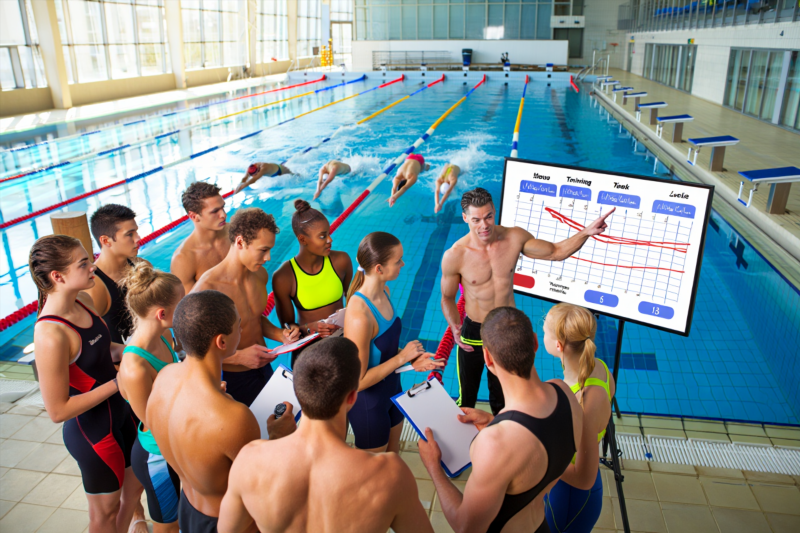
Diving Score Breakdown What Judges Look for and Deductions

Diving Score Breakdown: What Judges Look for and Deductions
Diving is a captivating blend of athleticism, precision, and artistry. Whether you’re a competitive diver or a passionate spectator, understanding how diving scores are awarded helps you appreciate the sport’s intricacies and provides valuable insights for performers aiming to improve. In this guide, we’ll explore the criteria judges evaluate, common deductions faced by divers, and practical tips to optimize your performance today.
How Diving Scores Are Awarded: An Overview
Diving scores are not arbitrary; they are the result of meticulous assessment based on specific technical and artistic criteria. Each dive is scored by a panel of judges who evaluate it based on the following categories:
- Execution of Technique
- Degree of Difficulty
- Overall Presentation and Style
- Adherence to Protocols (e.g., entry angle, visibility of movements)
The total score for a dive is calculated by removing the highest and lowest judge scores, then averaging the remaining scores, which are then multiplied by the degree of difficulty (DD). This standardized approach ensures fairness and consistency across competitions.
What Judges Look For: Key Criteria in Diving Performance
1. Proper Technique and Form
Judges pay close attention to a diver’s body position, control, and smoothness during each phase of the dive. Key aspects include:
- Straightness of the body during twists and somersaults
- Precise arm and leg positioning
- Clean, controlled movements throughout
2. Degree of Difficulty (DD)
The DD reflects the complexity of the dive, including the number of rotations, the type of twists, and the entry position. Higher DDs offer the potential for higher scores but require impeccable execution.
3. Entry Quality
An ideal entry is vertical, with minimal splash, demonstrating precision and control. Judges favor entries that are clean, symmetrical, and demonstrate minimal splash—signaling mastery of underwater techniques.
4. Underwater and Aerial Technique
Judges evaluate how well a diver maintains form during aerial maneuvers and underwater positions. Flawless transitions and tight control reflect high skill.
5. Artistic Impression
While technical precision is crucial, judges also look for grace, confidence, and overall presentation—transforming a technical dive into an artistic performance.
Common Deductions in Diving: Pitfalls to Avoid
Despite meticulous preparation, divers often face deductions that can impact their scores. Recognizing these common pitfalls allows you to refine your technique:
| Deduction Type | What It Looks Like | How to Avoid |
| Splash Deductions | Excessive splash on entry | Focus on tight tuck positions and entry technique. Practice controlled entries from dryland to underwater |
| Poor Body Position | Bent knees or uneven body alignment | Emphasize core strength and body awareness exercises during dryland training |
| Incorrect Takeoff | Unbalanced or hesitated starts | Use video analysis to identify issues and refine your approach with a coach |
| Timing Errors | Incorrect somersault rotation timings | Use drills for rhythm and timing, focusing on synchronized movements |
| Incomplete Rotations | Failing to complete a twist or flip | Increase mental focus and incorporate repetition to build muscle memory |
| Diving from an Improper Position | Off-angle entries or uneven landings | Practicing proper entry angles and position control, both dryland and in the pool |
Tips for Improving Your Diving Scores Today
- Focus on Technique: Prioritize body control, streamline positions, and smooth transitions during dives.
- Increase Degree of Difficulty Wisely: Select higher DD dives only once fundamental skills are mastered to avoid costly deductions.
- Enhance Underwater and Entry Skills: Practice entries with a focus on minimizing splash and maintaining verticality.
- Study Judging Criteria: Use scoring sheets and video references to understand what judges value most.
- Record and Review Performances: Self-assessment helps identify subtle technical flaws and track progress.
- Work with a Coach: Personalized feedback and targeted drills accelerate your learning curve.
- Mental Preparation: Cultivate focus and confidence, crucial for maintaining form under pressure.
Frequently Asked Questions
How do judges score dives with the same technical difficulty?
Judges assess execution consistency, artistic impression, and entry quality to differentiate between dives of similar degree of difficulty. The best execution typically yields higher scores.
Can a diver recover from deductions?
Yes. Consistent practice, targeted training, and attention to judge feedback enable divers to reduce deductions over time.
What is the maximum score achievable for a single dive?
Theoretically, a perfect dive scored by all judges (each giving the highest score, usually around 10) with a high degree of difficulty can result in an extremely high total score. However, perfection is rare, and the focus should be on continuous improvement.
Final Thoughts: Mastering the Art of Diving Scoring
Understanding diving scoring criteria empowers divers to focus their training on what truly matters—precision, consistency, and artistry. Recognizing common deductions allows you to fine-tune your techniques, ensuring each landing earns top marks. Whether competing at the grassroots level or aiming for elite performance, becoming familiar with judge expectations sets the foundation for scoring excellence.
Start today: analyze your dives, implement targeted practice strategies, and elevate your underwater performance. The perfect score is within reach with knowledge, dedication, and expert guidance.
Ready to transform your diving skills? Contact WaterPile Arena for tailored coaching, dryland training programs, and access to the latest techniques in aquatic sports. Dive smarter—perform better.