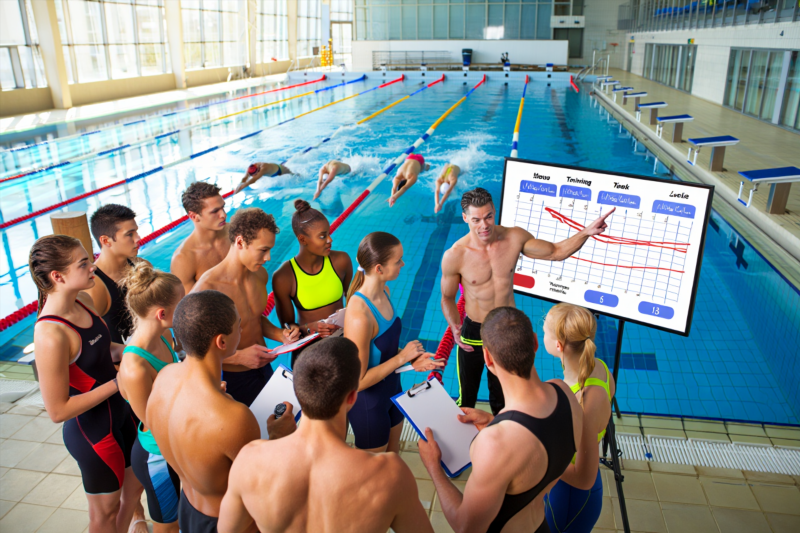
Diving Basics for Improved Body Line Takeoff Safety
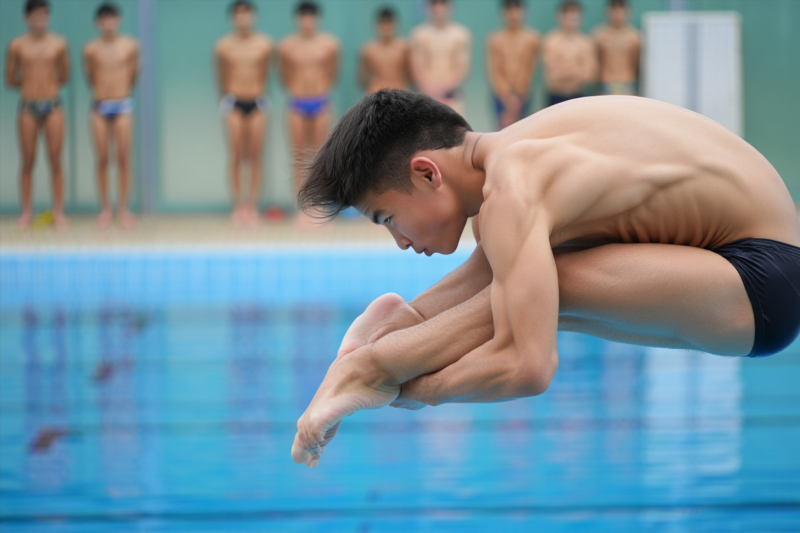
At WaterPile Arena, we understand that mastering diving techniques is crucial for ensuring safety and enhancing performance in aquatic sports. Whether you’re a beginner or an experienced diver, proper body line takeoff control is essential for safe progressions and effective dives. This article provides comprehensive insights into the fundamentals of diving, focusing on body line, takeoff mechanics, and control strategies. By implementing these expert tips and practical guidance, you can improve your diving form, minimize risk, and elevate your skills to the next level.
Understanding the Importance of Body Line in Diving
What Is Body Line in Diving?
The *body line* refers to the alignment and posture of a diver’s body during each phase of the dive — from the takeoff to entry. Maintaining a proper body line ensures streamlined movement, reduces resistance, and promotes safety.
Why Is Body Line Control Critical?
- Safety: Proper body positioning prevents injuries during takeoff and entry.
- Performance: A good body line leads to cleaner, more precise dives.
- Progression: Consistent technique builds confidence and reduces the risk of falls or slips.
Key Elements of Body Line Takeoff Control
1. Proper Body Position at the Takeoff
- Feet Placement: Position your feet shoulder-width apart, toes pointed straight ahead or slightly outward for stability.
- Body Posture: Keep your core engaged, shoulders square, and hips aligned to generate maximum upward momentum.
- Head Position: Focus your eyes forward or downward, maintaining a neutral neck to aid balance.
2. Explosive Takeoff Mechanics
- Knee Bend & Hip Extension: Utilize a quick knee bend followed by a powerful hip extension.
- Arm Swing: Coordinate arm movement to boost upward propulsion.
- Timing: Synchronize your arm extension and leg push for optimal takeoff control.
3. Maintaining Body Line During the Ascend
- Tight Core: Keep abdominal muscles engaged to prevent unnecessary tilting.
- Controlled Rise: Avoid over-arching or sagging, ensuring a smooth ascent into the dive.
4. Consistency and Dryland Training
- Dryland Exercises: Incorporate core strength, plyometrics, and balance drills to reinforce proper takeoff control.
- Video Analysis: Use slow-motion recordings to self-assess and correct body line issues.
Practical Guidance for Safe Progression
| Step | Focus Area | Tips |
| Start Small | Basic dives | Practice shallow dives to build control and confidence. |
| Use Visualization | Mental rehearsal | Picture each phase of the dive with correct body positioning. |
| Progress Gradually | Increasing difficulty | Move from simple jumps to full dives as technique improves. |
| Seek Feedback | Coaching | Work with experts to refine technique and safety protocols. |
| Incorporate Safety Checks | Pre-dive routine | Always perform a safety check for grip, posture, and environment readiness. |
Common Mistakes and How to Correct Them
| Mistake | Effect | Correction Strategies |
| Overextending the arms during takeoff | Loss of control, increased risk of injury | Practice synchronized arm-leg movements, focus on timing. |
| Not engaging core muscles | Poor body alignment, entry difficulties | Incorporate core strengthening exercises into dryland routines. |
| Rushing the takeoff | Reduced control, increased risk | Focus on slow, controlled motion before application of power. |
Frequently Asked Questions
How can I improve my body line control on dives?
Consistent dryland training, video feedback, and coaching are key. Focus on core strength and practice drills that emphasize body alignment during takeoff.
What safety precautions should I take during diving practice?
Always use appropriate equipment, perform safety checks, dive within your skill level, and work with qualified instructors who emphasize proper technique and risk management.
When should I progress from basic dives to more advanced techniques?
Only after mastering fundamental body line control, safety protocols, and consistent performance in simpler dives should you advance to higher difficulty levels.
Final Thoughts
Mastering body line takeoff control is the foundation of safe and successful diving. By understanding the mechanics, integrating solid dryland training, and adhering to progressive practice routines, you ensure safer progressions and elevate your diving skills. At WaterPile Arena, we are committed to guiding athletes through every step of their aquatic journey — emphasizing safety, technique, and continuous improvement.
Take the next step today: Schedule a coaching session or review your dive videos to identify areas for enhancement. Your safety and success depend on it!