Build a Six Week Sprint Cycle for Larger Teams
In today’s fast-paced aquatic sports environment, especially within teams of 50-100 athletes, optimizing training efficiency and productivity is essential to achieving peak performance. Developing a structured six-week sprint cycle enables coaches and athletes to focus on targeted improvements, foster team cohesion, and accelerate progress toward competitive goals. This comprehensive guide explores expert strategies to design and implement an effective six-week development plan tailored for larger teams.
Why a Six-Week Sprint Cycle?
A six-week cycle strikes the perfect balance between focused intensity and manageable planning. It allows:
- Clear goal setting and milestone tracking
- Progressive overload to prevent stagnation
- Flexibility to adapt based on performance feedback
- Enhanced motivation through short-term achievements
- Team cohesion with shared deadlines and objectives
This approach aligns well with the principles of neuromarketing — leveraging psychological cues such as visible progress and social proof to sustain motivation.
Key Principles for Designing a Six-Week Sprint Cycle
To maximize effectiveness, your sprint cycle should incorporate the following core principles:
1. Specific and Measurable Goals
Define concrete objectives for each cycle, such as improving start times, reducing breathing efficiency errors, or enhancing underwater turns. Ensure these are measurable to track progress objectively.
2. Progressive Training Intensity
Gradually increase training load and complexity. Use periodization to prevent injury and burnout, aligning with evidence-based training science.
3. Focused Skill Development
Allocate dedicated weeks for technical skill refinement—stroke mechanics, diving form, or race strategies—ensuring that skills build cumulatively.
4. Regular Feedback and Adjustments
Incorporate weekly performance reviews to identify strengths and areas for improvement. Employ underwater analysis, video review, and mental skills check-ins.
5. Mental and Nutritional Preparation
Integrate mental conditioning techniques, visualization, and nutrition strategies to support peak performance during each training phase.
Step-by-Step Guide to Building Your Six-Week Cycle
Week 1: Foundation and Assessment
- Establish baseline performance metrics (timing, stroke efficiency, diving accuracy).
- Introduce core conditioning drills and technical fundamentals.
- Set specific goals for improvement.
Week 2-3: Technique and Strength Focus
- Concentrate on refining stroke mechanics, breathing pathways, and underwater techniques.
- Implement dryland strength training targeting key muscle groups.
- Use drills that simulate race conditions to build mental resilience.
Week 4-5: Speed and Race Strategy
- Shift focus toward sprint training—to improve acceleration, turn speed, and race finishes.
- Incorporate interval training and race modeling.
- Practice race strategies tailored to team strengths and individual capabilities.
Week 6: Taper and Peak Performance
- Reduce volume but maintain intensity to allow recovery.
- Emphasize mental preparation, visualization, and confidence-building.
- Prepare team for performance benchmarks or competitions scheduled at the cycle’s end.
Implementing the Cycle for a Large Team
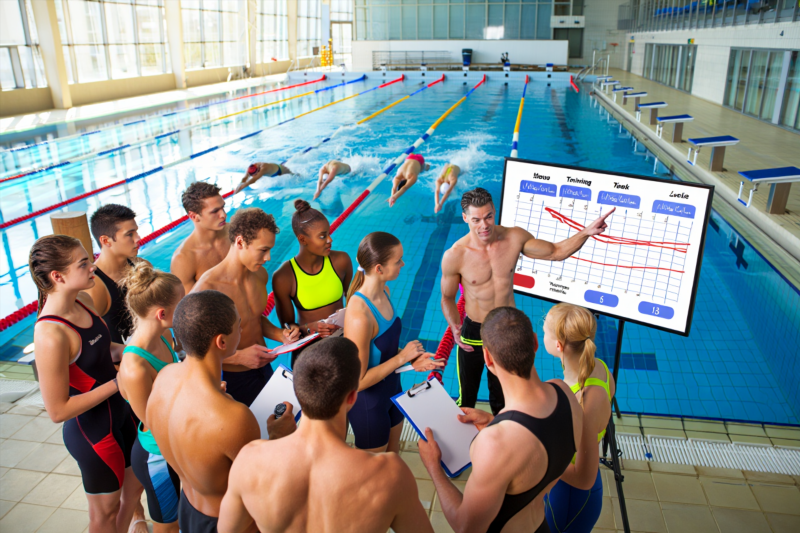
Managing a large team demands structured organization:
| Strategy | Implementation Tips |
| Segment Athletes | Group by skill level, event focus, or age to tailor training. |
| Assign Roles | Designate team leaders or peer coaches to foster accountability. |
| Use Technology | Employ performance tracking tools and video analysis for scalable feedback. |
| Schedule Flexibly | Stagger training sessions to maintain high coach-athlete interaction. |
| Encourage Collaboration | Promote team challenges and collective goals to boost motivation. |
Maximizing Engagement and Motivation
- Visualize Success: Use imagery and goal-setting to motivate athletes.
- Celebrate Milestones: Recognize progress weekly to build confidence.
- Create Social Proof: Share success stories within the team to inspire effort.
- Leverage Commitment: Regularly reinforce team objectives and individual accountability.
Frequently Asked Questions
How do I adapt this cycle for different skill levels?
Adjust the intensity and complexity of drills, gradually progressing from foundational techniques for beginners to advanced race strategies for experienced athletes. Regular assessments will help tailor training loads.
What metrics should I track?
Track performance metrics such as start times, turn speeds, stroke efficiency, breathing patterns, and underwater distances. Use technology like underwater cameras and timing systems for precise measurement.
How can I keep the team motivated during intense periods?
Incorporate gamification elements, set achievable weekly goals, and celebrate small wins. Highlight individual and team improvements to foster a sense of achievement.
Designing a six-week sprint cycle for a large aquatic sports team demands strategic planning, clear goal setting, and dynamic execution. By focusing on technical mastery, race-specific strategies, and mental conditioning, coaches can significantly enhance their team’s performance trajectory. Integrate these expert strategies today to elevate your team’s success—fostering a motivated, cohesive, and competitive aquatic team ready to excel.