Breaststroke Timing How to Cut Resistance During Transitions
WaterPile Arena is your ultimate aquatic sports platform dedicated to elevating every swimmer’s performance. Whether you’re passionate about competitive swimming, diving, or water-based games, understanding the nuances of stroke mechanics is essential. One critical aspect often overlooked by intermediate and advanced swimmers is reducing drag during pull-kick transitions in breaststroke. Mastering this skill can significantly improve swimming efficiency, increase speed, and conserve energy over long races.
In this comprehensive guide, we focus on breaststroke timing, providing expert tips on how to cut resistance during transitions, with actionable strategies rooted in neuromarketing, biomechanics, and proven coaching techniques. Let’s explore how you can optimize your stroke to glide effortlessly through the water.
The Importance of Transition Efficiency in Breaststroke
Breaststroke is unique among competitive strokes because its power phase relies heavily on precise timing between the pull and kick. Poor transition technique causes increased drag, which hampers speed and fatigues muscles prematurely. Properly executing smooth pull-kick transitions minimizes resistance and maximizes propulsion.
Key benefits of efficient transitions include:
- Increased swimming speed
- Reduced energy expenditure
- Enhanced glide phase
- Improved overall race times
Understanding and optimizing your timing during these transitions is critical for competitive success.
Common Challenges During Pull-Kick Transitions
Before diving into solutions, it’s essential to identify typical issues swimmers face:
| Challenge | Impact | Cause |
| Excessive resistance during transition | Slows down your glide | Poor body alignment or harsh movements |
| Surface splash or turbulence | Increases drag | Abrupt hand or leg movements |
| Over-extended glide | Loss of rhythm | Ineffective timing between pull and kick |
| Inconsistent breathing pattern | Disrupts flow | Poor transition sequencing |
Addressing these challenges requires focused technique adjustments supported by strategic timing.
Expert Tips for Reducing Drag During Pull-Kick Transitions
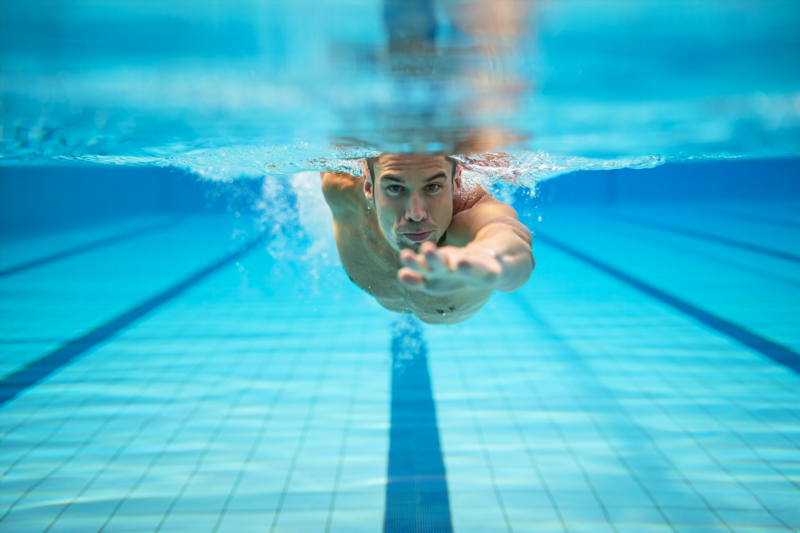
1. Streamline Your Body Position
Why it matters: A streamlined body reduces frontal resistance during transitions.
How to achieve it:
- Keep your head in line with your spine
- Engage core muscles to maintain a horizontal position
- Relax your arms and legs to prevent unnecessary turbulence
*Remember:* The transition should feel like smooth, continuous motion—avoid jerky arm or leg movements.
2. Perfect the Timing Between Pull and Kick
Why it matters: Proper timing ensures maximum propulsion and minimal resistance.
Step-by-step guide:
- Initiate the pull phase with a strong, controlled arm movement underwater
- As your hands approach your chest, begin your kick, aligning both movements to occur almost simultaneously
- Use your hips and core to generate a swift, compact kick that propels you forward
Pro tip: Visualize your pull and kick as parts of a piston moving in unison, to synchronize transition effectively.
3. Minimize Lift and Splash During Transition
Why it matters: Splash increases water resistance. Keeping movements smooth and underwater reduces turbulence.
How to do it:
- Focus on submerging your hands fully after the pull
- Use gentle, controlled kick motion without exaggerated leg action
- Practice drills that emphasize silent, efficient movements (e.g., “quiet” drills)
4. Use Underwater Techniques to Maintain Flow
Why it matters: The underwater phase is the most efficient part of the stroke.
Implementation tips:
- Maximize underwater glide immediately after the pull
- Engage your core to hold a streamlined position during transition
- Practice underwater dolphin kicks to maintain momentum and reduce surface resistance
5. Develop Mental Focus and Rhythm
Why it matters: Consistent transition timing develops muscle memory, reducing hesitation and resistance.
Practices:
- Use counting or metronome-like cues during training
- Visualize smooth transitions before each repeat
- Incorporate breathing patterns that sync with the stroke rhythm to maintain flow
Race Strategies to Maximize Transition Efficiency
| Strategy | Description | Expected Benefit |
| Focused Breathing | Coordinate inhale to prepare for glide | Better oxygen management |
| Progressive Speed Buildup | Gradually increase tempo into transitions | Smoother movements and less resistance |
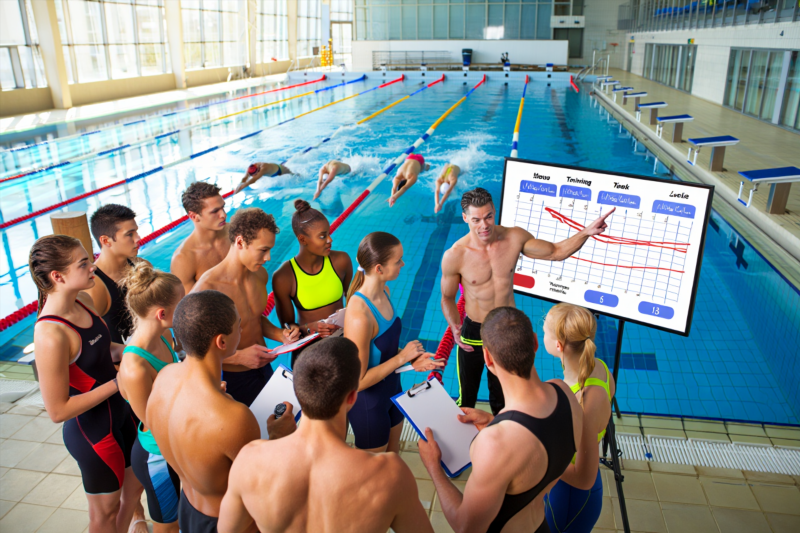
| Video Analysis | Review footage to refine timing | Precise adjustments for less drag |
Tip: Incorporate these strategies into training sessions for measurable improvements.
Frequently Asked Questions (FAQs)
How do I know if my pull-kick transition is efficient?
Indicators of efficiency include:
- Minimal splash and turbulence
- Consistent body position during glide
- Smooth, synchronized movements without hesitation
Can breathing affect transition timing?
Yes. Proper breathing timing ensures rhythm continuity, aiding smooth transitions and reducing hesitation.
How often should I practice transition drills?
Daily practice with focused drills (e.g., pull-kick ratio drills, underwater work) helps reinforce muscle memory. Incorporate into your training routine at least 3-4 times a week for optimal results.
Mastering how to reduce resistance during pull-kick transitions is a game-changer in competitive breaststroke swimming. By focusing on body alignment, precise timing, underwater efficiency, and mental discipline, you can cut drag and significantly boost your race pace.
Remember, consistent practice and expert feedback are the keys to transforming technical tweaks into fluid, powerful movements. Start applying these strategies today, and watch your swimming efficiency reach new depths.
Discover more expert tips, stroke breakdowns, and training plans at WaterPile Arena—your partner in aquatic excellence.
Take Action Now
Ready to maximize your swimming performance? Join our exclusive training programs and unlock your full potential. Click here to access personalized coaching, training plans, and video analysis — and step into the water with confidence.
WaterPile Arena — Where swimmers become champions.