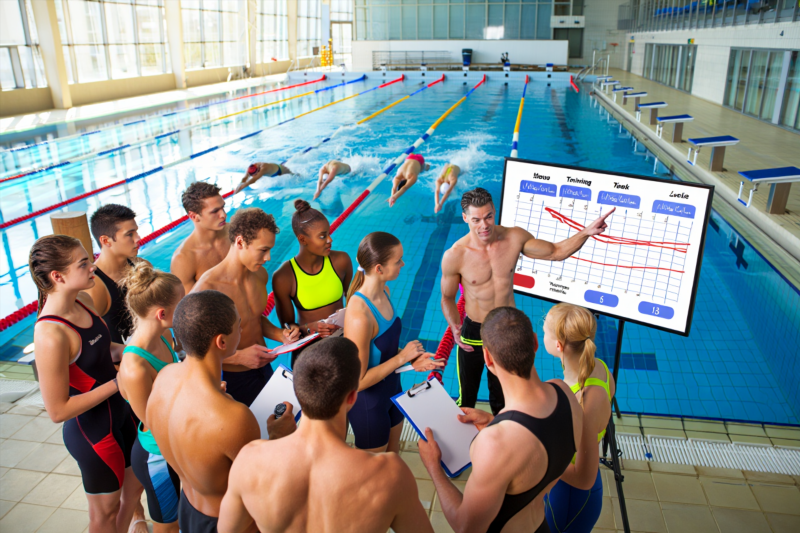
Breaking a Time Plateau Discover Four But Effective Strategies

Every athlete dreams of shaving seconds off their personal best, yet many find themselves stuck on a frustrating time plateau. Whether you’re a competitive swimmer aiming to improve your race times or an aquatic sports enthusiast seeking to boost your underwater skills, breaking through this barrier requires more than just hard work. It demands a strategic approach rooted in proven coaching methods.
In this article, we explore four key strategies coaches worldwide use to help athletes transcend their time plateaus, enabling you to unlock your full potential. By understanding and applying these levers—covering technique, mental toughness, training optimization, and strategic planning—you can accelerate progress and reach new performance heights.
Understanding the Roots of a Time Plateau
Before diving into strategies, it’s vital to understand why plateaus occur:
- Physical stagnation: Your body adapts, and gains slow down.
- Technical inefficiencies: Small biomechanical flaws can limit performance.
- Mental barriers: Confidence, focus, and motivation dips hinder improvement.
- Inadequate training variation: Repeating the same routines leads to diminishing returns.
Recognizing these factors sets the stage for targeted interventions.
The Four Levers Coaches Use to Break Time Barriers
1. Refining Technique and Stroke Efficiency
Why it matters: Small improvements in stroke mechanics—such as breathing efficiency, streamline position, and turn execution—translate into significant time savings over a race.
Key focus areas:
- *Breathing technique*: Optimizing inhalation and exhalation to maintain rhythm without disrupting momentum.
- *Streamline and body position*: Achieving minimal drag underwater; streamlined starts and turns.
- *Entry and underwater phases*: Perfecting dives and dolphin kicks for maximum propulsion.
Practical tips:
- Use video analysis to identify technical flaws.
- Incorporate drills focusing on specific mechanics, like single-arm drills or streamline push-offs.
- Seek feedback from coaches on minute adjustments to maximize efficiency.
2. Enhancing Mental Toughness and Race Strategy
Why it matters: Performance isn’t just physical—mental resilience and strategic execution are vital.
Key focus areas:
- *Visualization and mental rehearsal*: Imagining perfect races to build confidence.
- *Pre-race routines*: Developing calming rituals to reduce anxiety.
- *Race pacing strategies*: Learning to distribute effort effectively across the race.
Practical tips:
- Practice mindfulness to stay focused in high-pressure situations.
- Analyze race splits: When do you lose time? Develop strategies to maintain consistency.
- Work with sports psychologists if necessary to strengthen mental resilience.
3. Optimizing Dryland and Strength Training
Why it matters: Building strength, power, and muscular endurance outside the pool enhances performance underwater and during race phases like starts and turns.
Key focus areas:
- *Core stability*: Key for maintaining streamlined position.
- *Explosive power exercises*: Plyometrics and Olympic lifts to improve starts and turns.
- *Flexibility and mobility*: Preventing injury and improving range of motion.
Practical tips:
- Incorporate dryland routines 2-3 times weekly, tailored to swimming biomechanics.
- Use resistance bands and medicine balls for functional strength.
- Prioritize recovery to maximize training adaptations.
4. Strategic Training Variability and Race Simulation
Why it matters: Breaking stagnation involves challenging the body and mind through variation.
Key focus areas:
- *Interval training*: Vary distances, intensities, and rest periods.
- *Race-pace repetitions*: Mimic competition conditions to build confidence.
- *Taper plans*: Strategically reduce volume before competitions for peak performance.
Practical tips:
- Periodically challenge your comfort zone with new drills or distances.
- Simulate race conditions during training to adjust pacing and mental focus.
- Track performance metrics to identify trends and adjust training accordingly.
FAQs: Common Questions About Breaking a Time Plateau
Q1: How long does it typically take to break through a performance plateau? A1: It varies depending on individual factors, but with consistent application of targeted strategies, athletes often see progress within 4-8 weeks.
Q2: Is it better to focus on technique or endurance first? A2: Both are crucial. Typically, improving technique yields quicker, more sustainable gains, but combining focus on endurance, strength, and technique accelerates breakthroughs.
Q3: Should I work with a coach during this process? A3: Absolutely. Coaches provide essential feedback, motivation, and personalized plans to ensure optimal results.
Breaking through a time plateau isn’t a matter of willpower alone—it’s about strategically leveraging proven coaching principles. By refining your technique, strengthening your mental game, optimizing your training, and introducing variability, you unlock the levers for exceptional performance gains.
Take action today: analyze your current routines, identify your weak links, and implement these four strategies. Remember, every small incremental improvement compounds over time, propelling you beyond your current limits.
Ready to accelerate your progress? Contact your coach or training partner now to craft a personalized plan for breakthrough success. Your best race awaits!
*Unleash your aquatic potential—start transforming your swim times today.*