Boost Race Speed with Bilateral Breathing and CO2 Control
At WaterPile Arena, we understand that mastery in swimming and aquatic sports hinges on more than just raw strength; it requires precise technique, mental resilience, and strategic breathing practices. Whether you’re diving into competitive swimming, mastering underwater techniques, or refining your race strategies, optimizing your breathing patterns can make the difference between good and elite performance.
In this article, we’ll explore how bilateral breathing and CO2 control are essential tools to enhance your speed, endurance, and overall race efficiency. By integrating RaceSafe breathing patterns, you can unlock new levels of performance that propel you toward podium finishes.
Why Breathing Matters in Competitive Water Sports
Breathing isn’t just about oxygen intake; it’s a critical factor influencing stroke mechanics, energy efficiency, and mental focus during races. Proper breathing techniques help:
- Maintain optimal oxygen supply to muscles
- Reduce fatigue during high-speed efforts
- Improve stroke symmetry and balance
- Enhance mental clarity and focus
Focusing on bilateral breathing and CO2 tolerance allows athletes to sustain faster paces while conserving energy—a crucial advantage in tight competitions.
Understanding Bilateral Breathing and CO2 Tolerance
What is Bilateral Breathing?
Bilateral breathing involves alternating breaths from both sides—left and right—during freestyle or other strokes. This technique offers several benefits:
- Promotes balanced muscle development
- Prevents asymmetrical stroke mechanics
- Improves overall water feel and body alignment
- Enables better head position control during turns and transitions
The Role of CO2 Tolerance
CO2 management refers to your body’s ability to handle elevated carbon dioxide levels without discomfort or fatigue. Enhancing CO2 tolerance allows:
- More controlled and efficient breathing
- Reduced panic or breathlessness under fatigue
- Increased ability to sustain high speeds over longer distances
RaceSafe Patterns: The Integration of Breathing and Strategy
RaceSafe breathing patterns combine bilateral breathing with specific timing and CO2 management techniques to optimize speed and endurance. These patterns emphasize controlled inhalation and exhalation, tailored to race demands, enabling swimmers to maintain high velocities with minimal energy wastage.
How Bilateral Breathing & CO2 Control Improve Race Performance
| Benefit | Description |
| Enhanced Speed | Balanced breathing reduces drag and maintains stroke efficiency at high velocities. |
| Increased Endurance | Better CO2 tolerance delays fatigue, allowing longer sustained efforts. |
| Improved Race Strategy | Synchronizing breathing with turns and race pace ensures optimal oxygen delivery during critical moments. |
| Greater Mental Focus | Controlled breathing supports concentration and calmness under pressure. |
Practical Techniques for Athletes
1. Implementing Bilateral Breathing
- Start gradually: Incorporate bilateral breathing into warm-ups or drills.
- Use verbal cues: Count strokes before switching sides to establish consistency.
- Focus on symmetry: Maintain equal stroke length and arm pull from both sides.
- Practice during different intensities: Incorporate bilateral breathing at moderate, then high-intensity efforts.
2. Enhancing CO2 Tolerance
- CO2 Tolerance Tables: Perform intervals holding your breath or exhaling slowly to train your body to handle increased CO2.
- Controlled Exhalation: Exhale longer and more consciously during every stroke.
- Breath-Hold Drills: Incorporate apnea exercises (with safety measures) to improve breath control.
- Use of Breath Retention: Gradually extend your exhalation and breath-hold periods during training sessions, always monitored and safe.
3. Applying RaceSafe Patterns
- Synchronization: Match your breathing pattern with race strategies (e.g., breath every 3-4 strokes) to maintain speed.
- Adjust to Race Phases: Use bilateral breathing in early race phases; adapt to unilateral or asymmetrical patterns during sprints to channel maximum power.
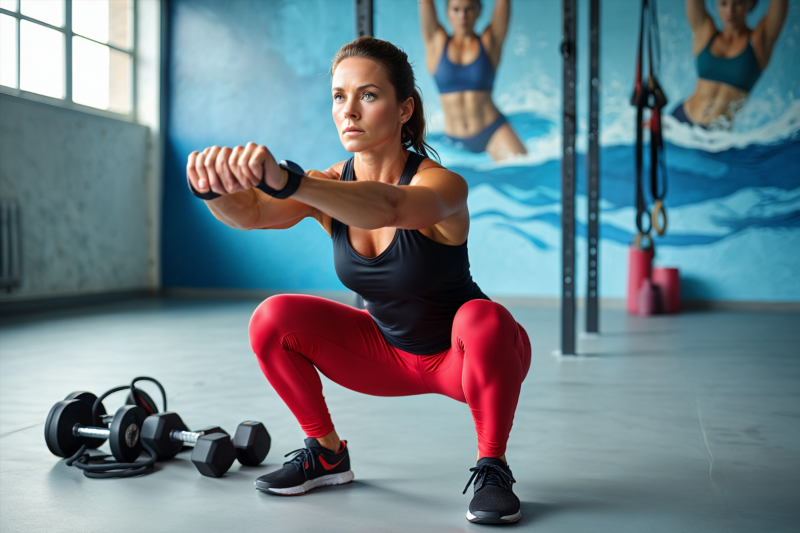
- Incorporate Dryland Training: Strengthen respiratory muscles with specific dryland exercises to support CO2 tolerance and breathing efficiency.
Addressing Common Questions
How does bilateral breathing improve my race speed?
Bilateral breathing promotes stroke symmetry and better body position, reducing drag. It also stabilizes your head and neck, enhancing streamline—and ultimately, speed. Additionally, it facilitates better oxygen distribution to muscles, enabling sustained high-intensity efforts.
Can CO2 management really increase endurance?
Yes. Improved CO2 tolerance allows your body to handle higher levels of carbon dioxide without discomfort, delaying the onset of fatigue. This means you can maintain faster paces for longer periods, crucial in both middle-distance and distance races.
How long does it take to see improvements?
Results vary depending on individual commitment, but consistent practice of bilateral breathing and CO2 tolerance drills can lead to measurable improvements within 4-6 weeks. Integrating these techniques into your regular training routine accelerates the process.
Integrating bilateral breathing and CO2 control into your training is a game-changer for competitive water sports. By adopting RaceSafe patterns tailored to your race strategy, you enhance speed, endurance, and mental resilience.
Remember, mastery over your breath is mastery over your race. Start implementing these techniques today to unlock your full aquatic potential and leave your competitors behind.
Ready to take your aquatic performance to the next level? Contact WaterPile Arena for personalized coaching on breathing techniques, dryland training, and race strategy optimization. Join our community and transform your water game now!